


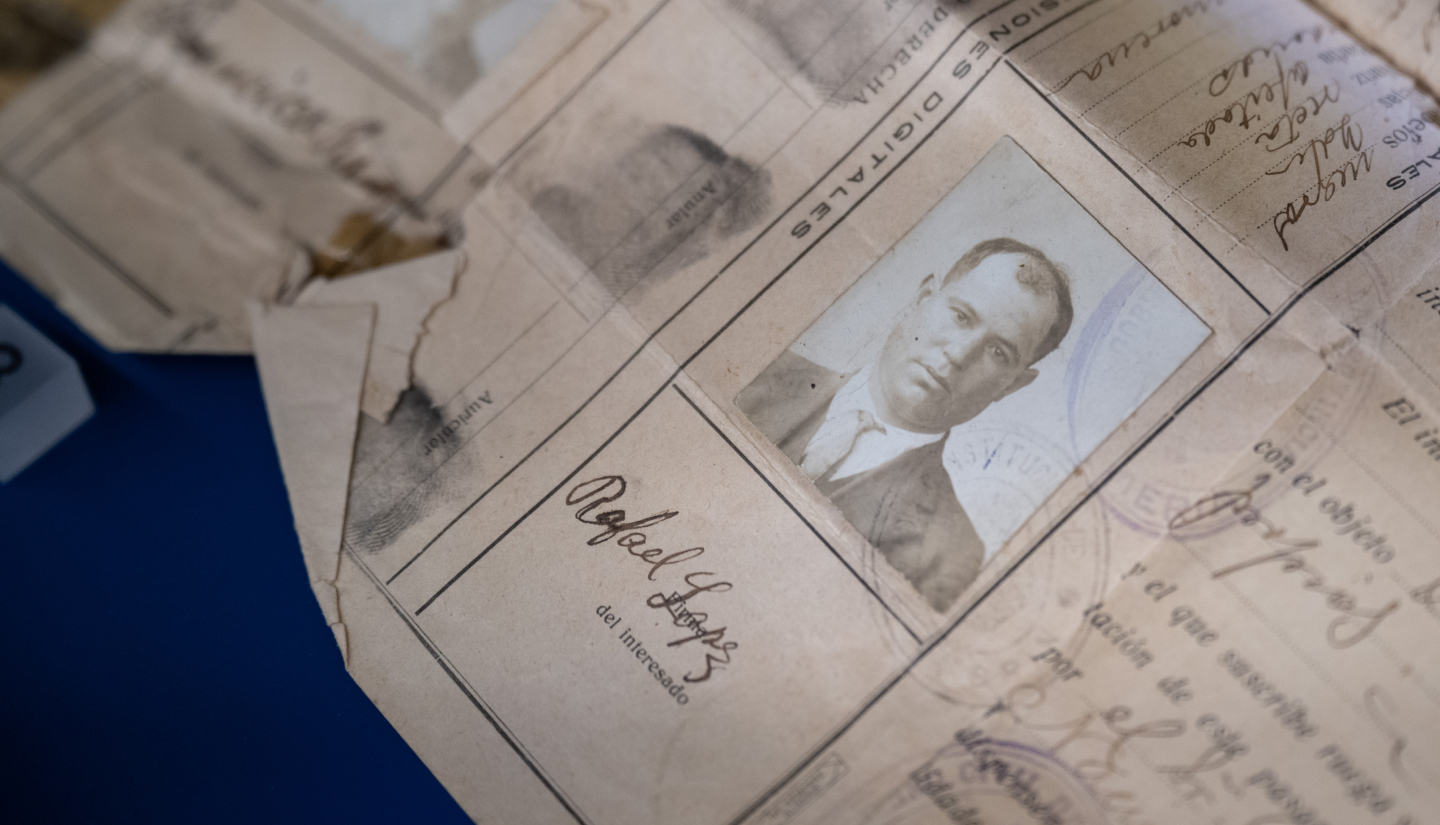

Invisible Immigrants highlights the value and fragility of the domestic archive preserved in the family albums of Spaniards who, a century ago, emigrated to the United States in search of opportunities. These images, a testimony to their lives, reflect both their private sphere and their integration into the working, social, and festive environment of the so-called "North." For more than a decade, James D. Fernández and Luis Argeo have compiled an archive of great historical value, consisting of thousands of digitized photographs from family albums. These compelling and evocative images capture intimate, work-related, and collective moments, offering a unique glimpse into the immigrant experience. The exhibition Invisible Immigrants is a project of historical reparation, driven by the support of its donors and sponsors, and backed by the professionalism of its curatorial and artistic team.
Photos
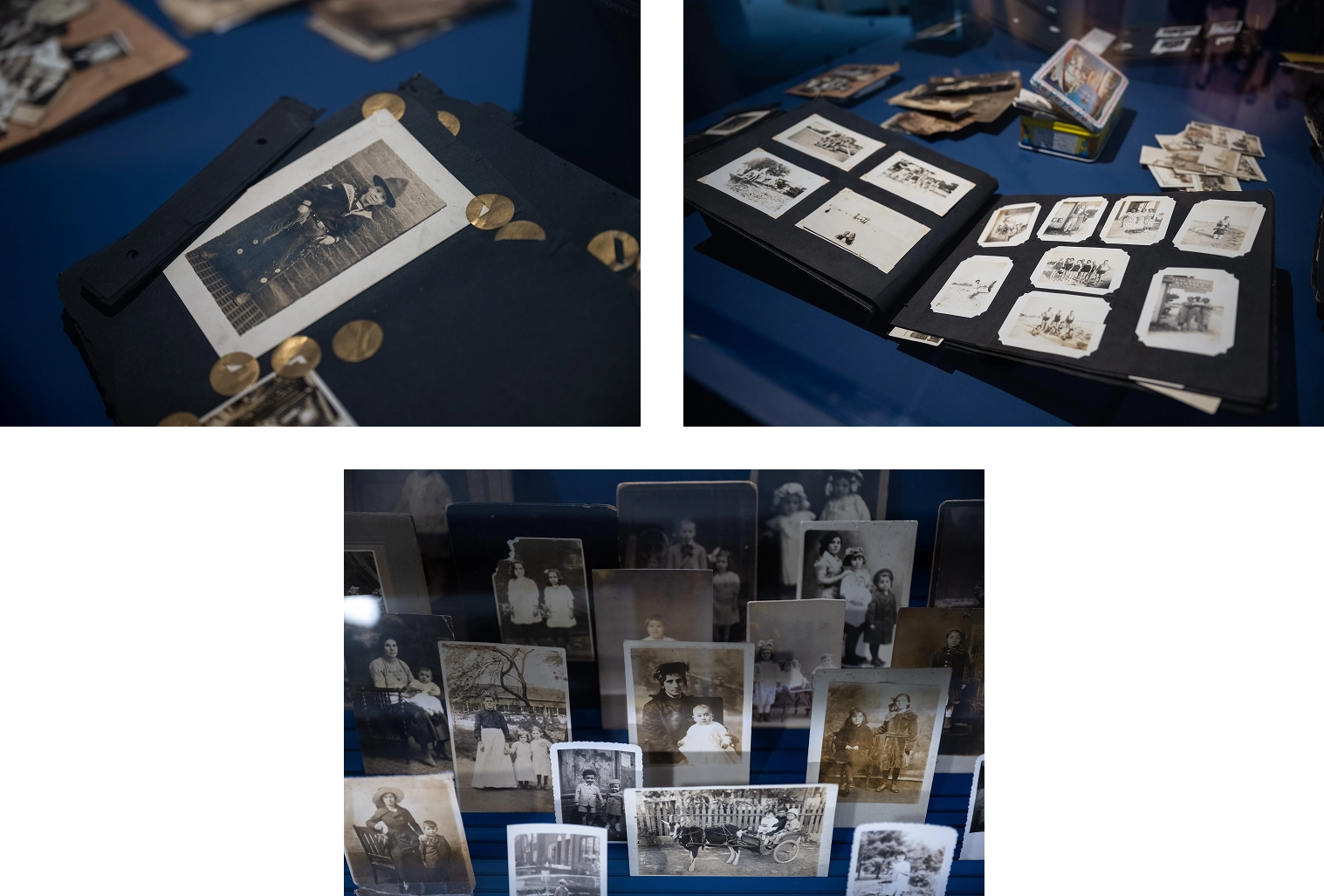
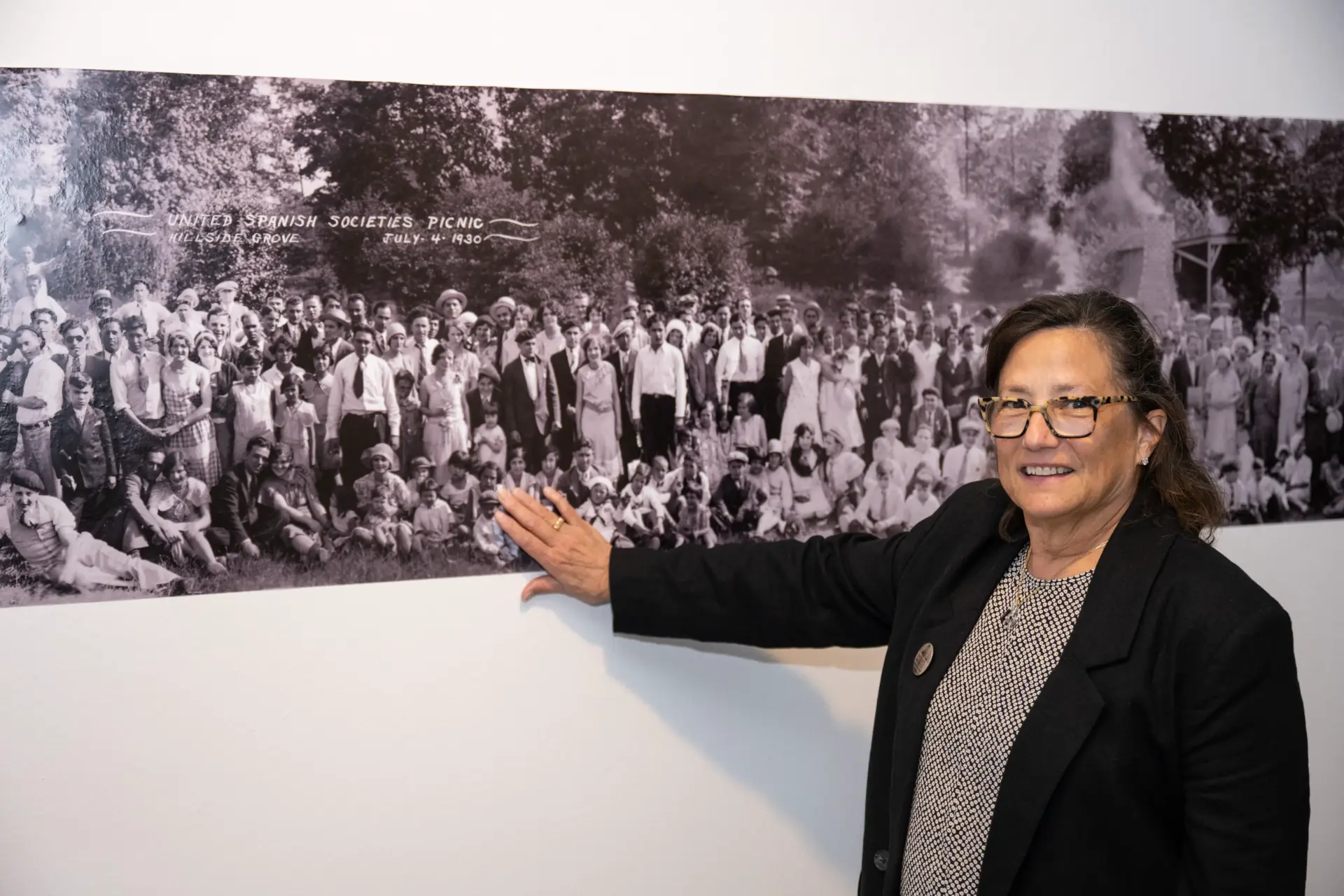
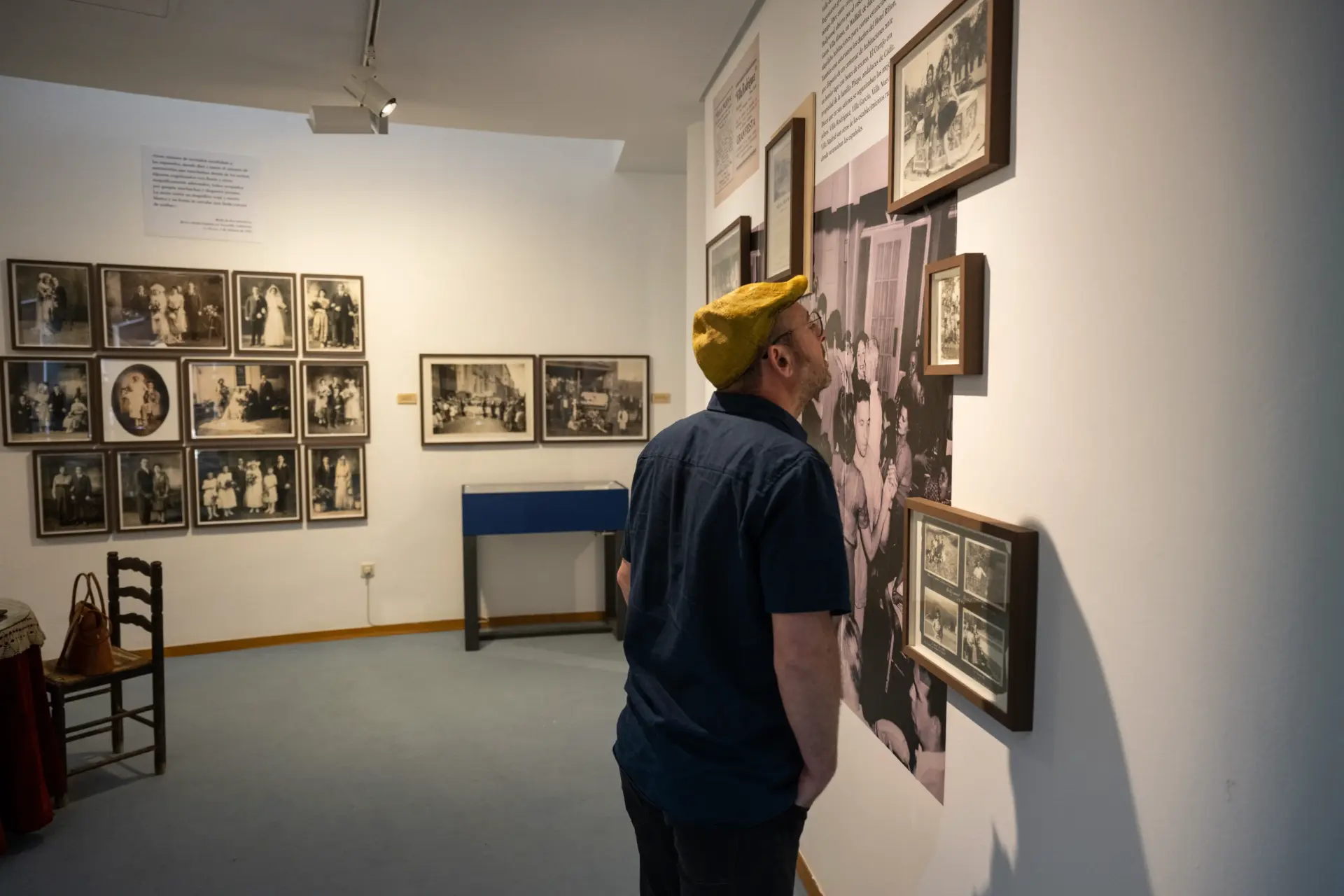
The curators have scanned in high resolution around 15,000 photographs discovered in family albums belonging to the descendants of those immigrants. A selection of approximately 250 digitized images can be found in the exhibition.
Photos
Photo
From the archives of many descendants, photos are displayed that have special value not only as images but also as objects. For example, photos that the immigrants themselves brought in their trunks when they traveled from Spain to the US, or photos that have been manipulated, handled, inscribed, etc. The exhibition also includes a large number of these photo-objects, whose materiality tells a story.
Photo
Image
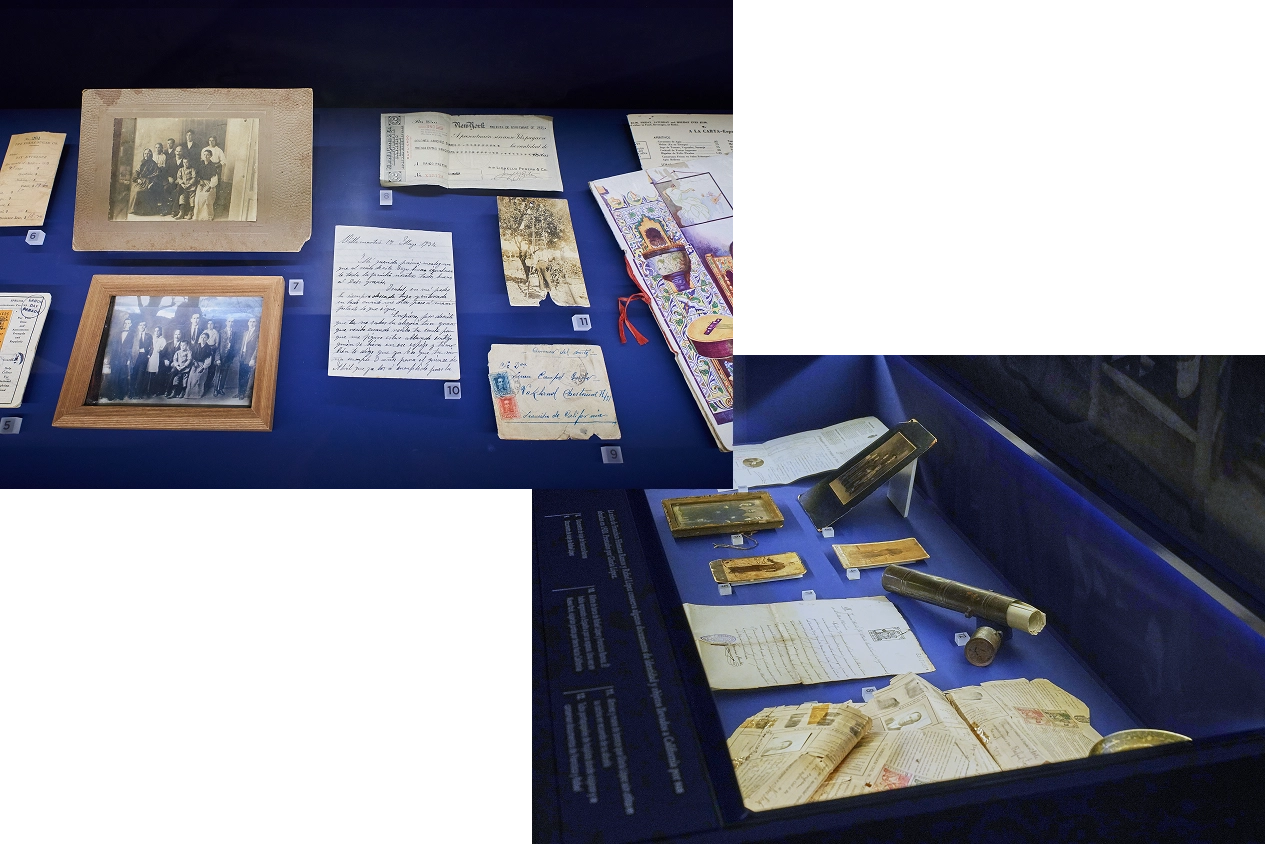
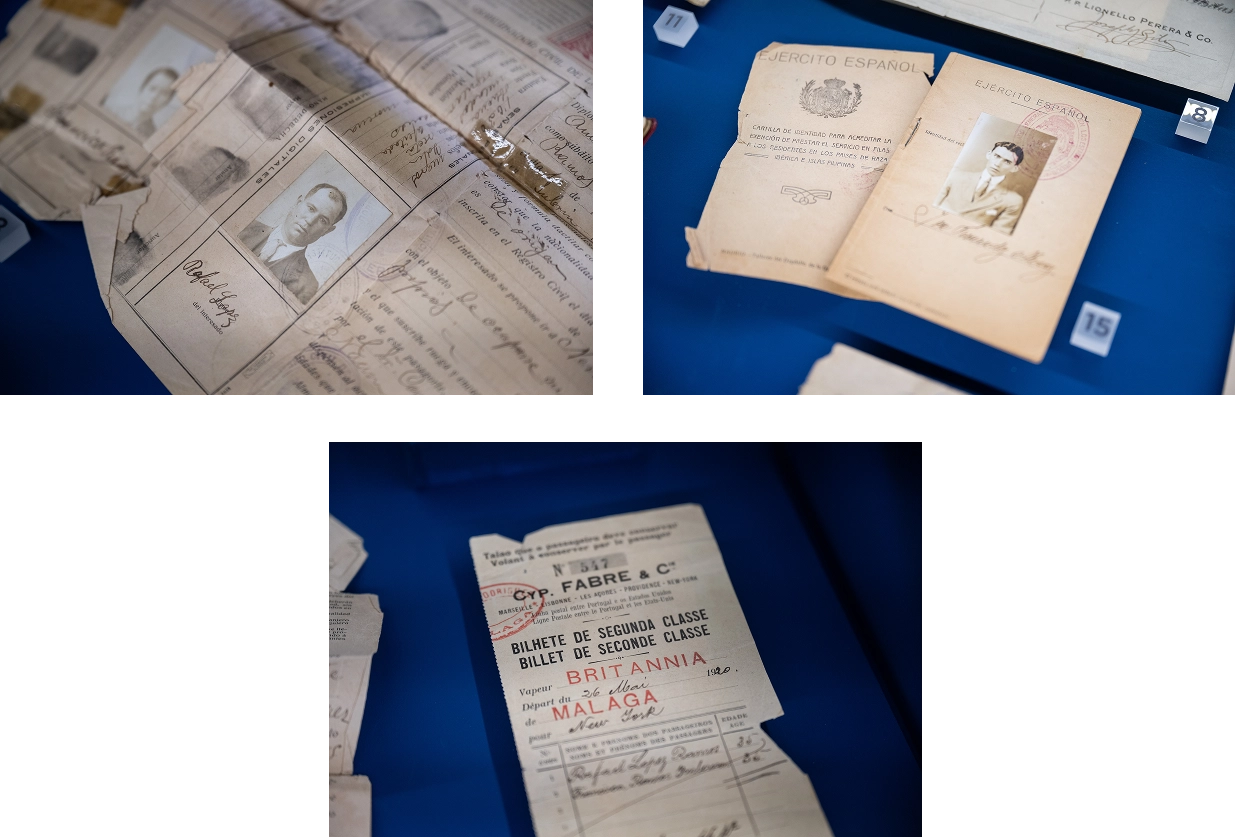
Digitized documents that visually narrate each stage of the history of the Spanish diaspora in the United States.
Image
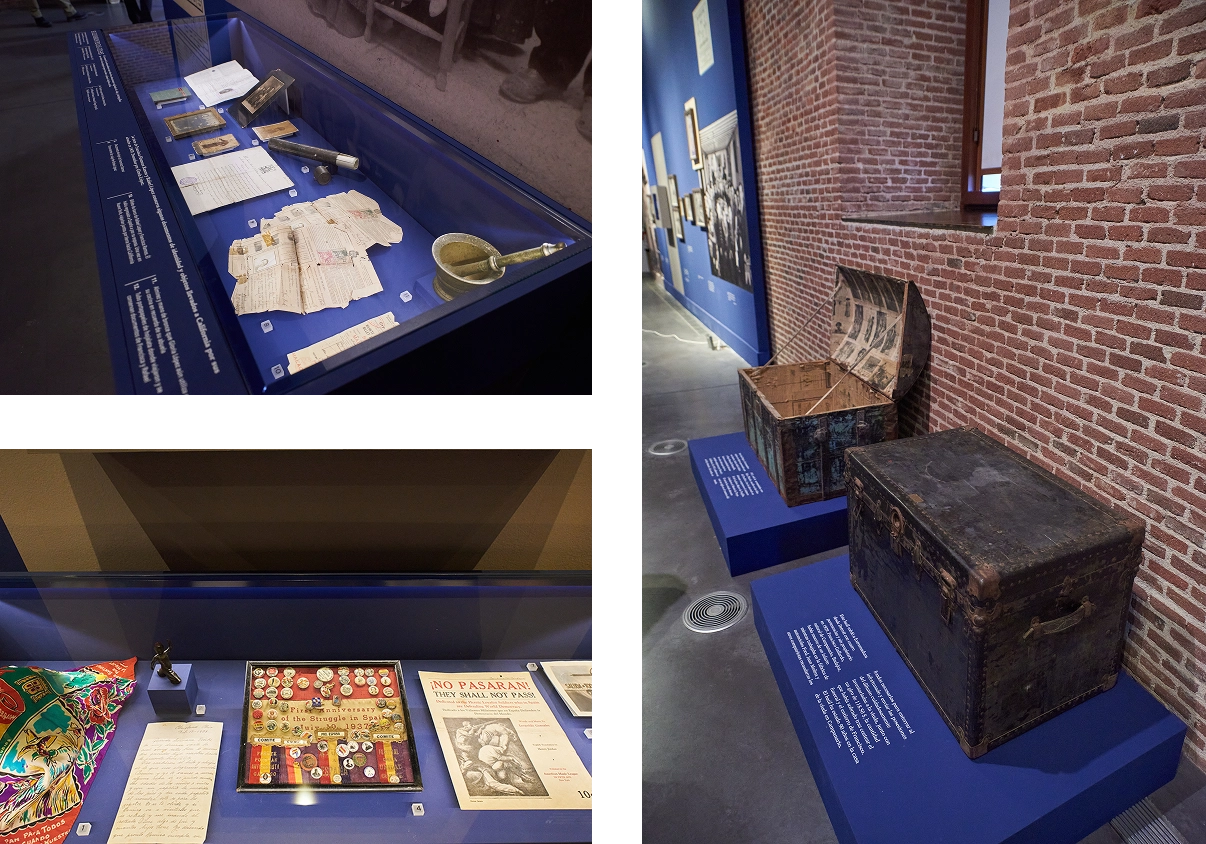
Objects
A selection of objects that belonged to immigrants, with great emotional and narrative power.
Objects
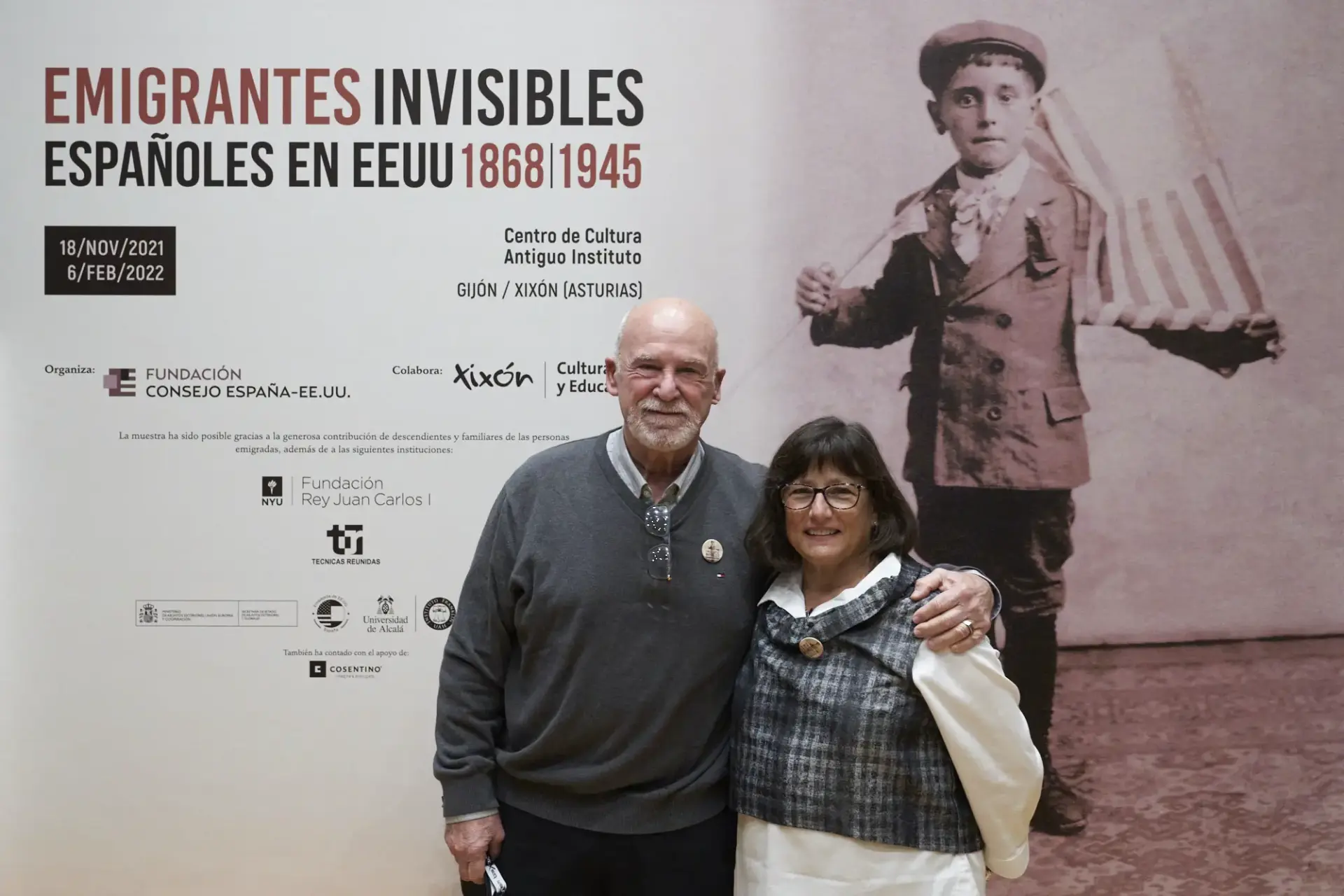
Donors
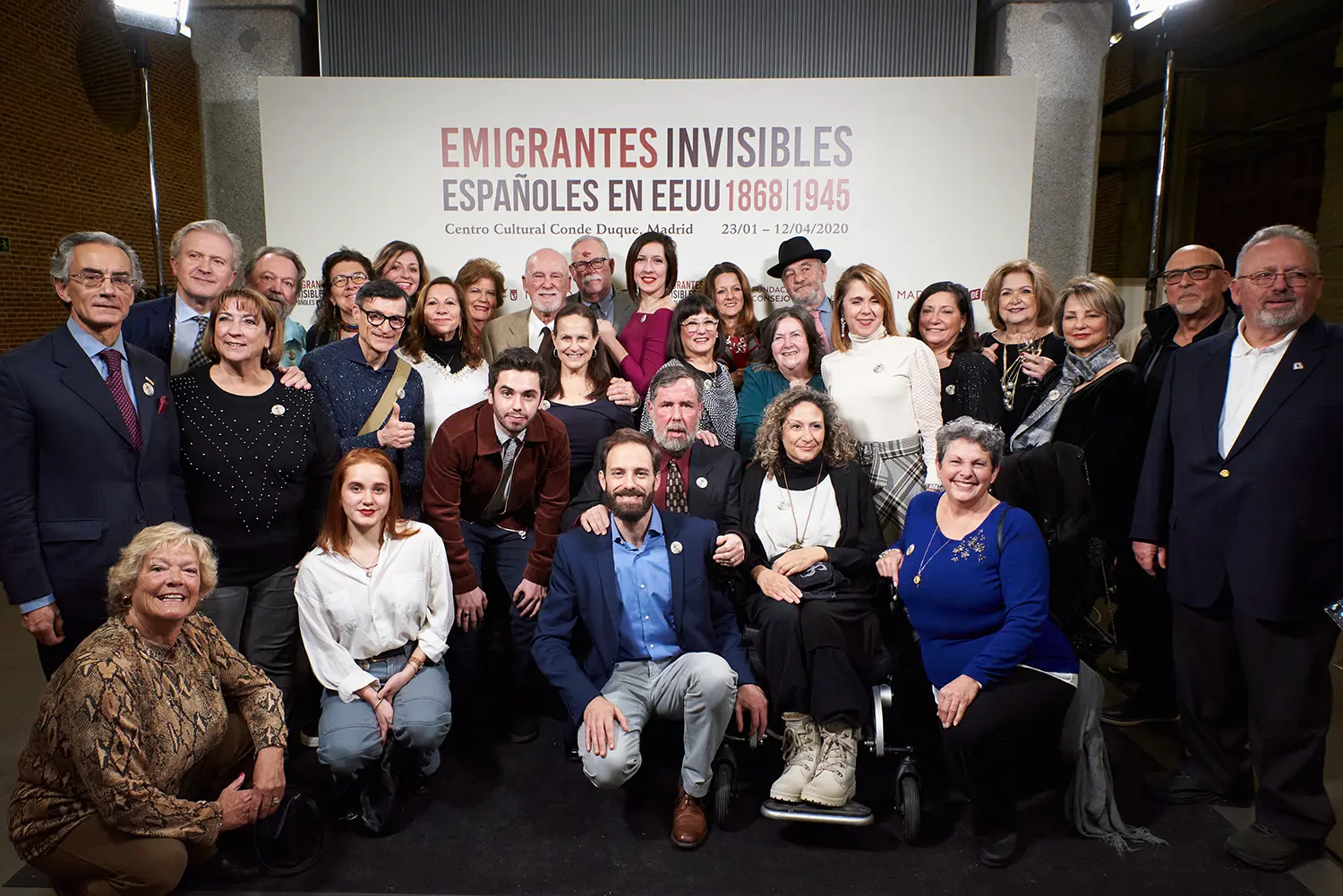
Curators Luis Argeo and James Fernández have traveled, camera in hand and scanner under their arms, to dozens of homes across the United States, rescuing the memory of Spanish immigrants. With a unique methodology that combines social anthropology, documentary film narrated from the margins, and attentive listening, they have reconstructed a history that, for decades, had remained hidden in family albums and attics.
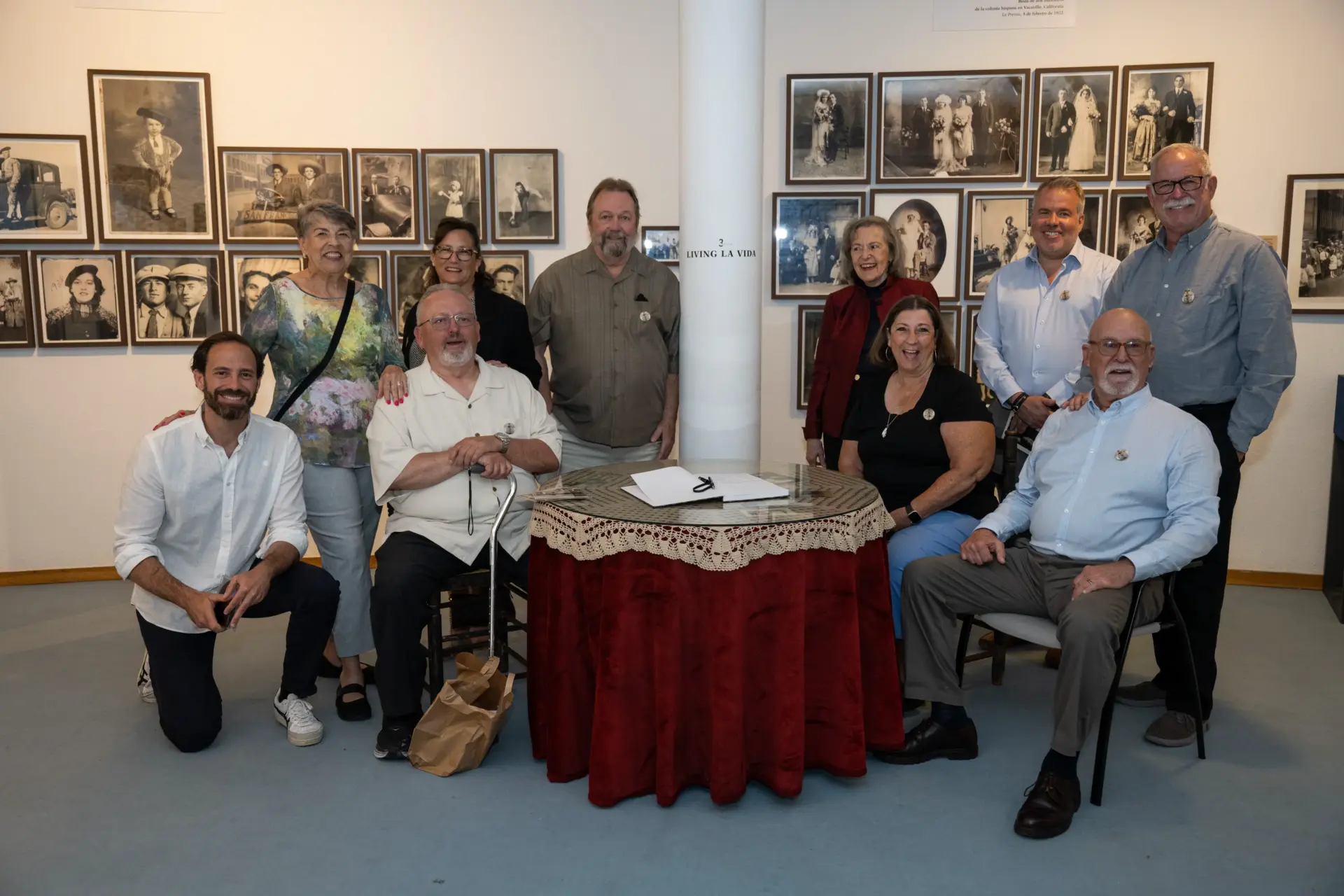
This project would not have been possible without the generous contribution of more than 45 families, both in the US and Spain, who have selflessly donated photographs, objects, and documents that form the soul of this exhibition. We owe them the heart of this work of historical recovery.
Tony
Cathy
Cynthia
Mike
Andrea
Laura
James
Michael
Cathy
Cynthia
Max
Kathy
Lori
Robert
Gloria
Manuel
Enriqueta
Frank
Nicole
Ron
Liz
Margaret
Kirsten
Maribeth
Joe
Anthony
José
David
Dina
Steven
Gil
Luz
Mary Ann
Marlene
Anita
Ángel
Tony
Cathy
Cynthia
Mike
Andrea
Laura
James
Michael
Cathy
Cynthia
Max
Kathy
Lori
Robert
Gloria
Manuel
Enriqueta
Frank
Nicole
Ron
Liz
Margaret
Kirsten
Maribeth
Joe
Anthony
José
David
Dina
Steven
Gil
Luz
Mary Ann
Marlene
Anita
Ángel
Tony
Cathy
Cynthia
Mike
Andrea
Laura
James
Michael
Cathy
Cynthia
Max
Kathy
Lori
Robert
Gloria
Manuel
Enriqueta
Frank
Nicole
Ron
Liz
Margaret
Kirsten
Maribeth
Joe
Anthony
José
David
Dina
Steven
Gil
Luz
Mary Ann
Marlene
Anita
Ángel
Tony
Cathy
Cynthia
Mike
Andrea
Laura
James
Michael
Cathy
Cynthia
Max
Kathy
Lori
Robert
Gloria
Manuel
Enriqueta
Frank
Nicole
Ron
Liz
Margaret
Kirsten
Maribeth
Joe
Anthony
José
David
Dina
Steven
Gil
Luz
Mary Ann
Marlene
Anita
Ángel
Tony
Cathy
Cynthia
Mike
Andrea
Laura
James
Michael
Cathy
Cynthia
Max
Kathy
Lori
Robert
Gloria
Manuel
Enriqueta
Frank
Nicole
Ron
Liz
Margaret
Kirsten
Maribeth
Joe
Anthony
José
David
Dina
Steven
Gil
Luz
Mary Ann
Marlene
Anita
Ángel
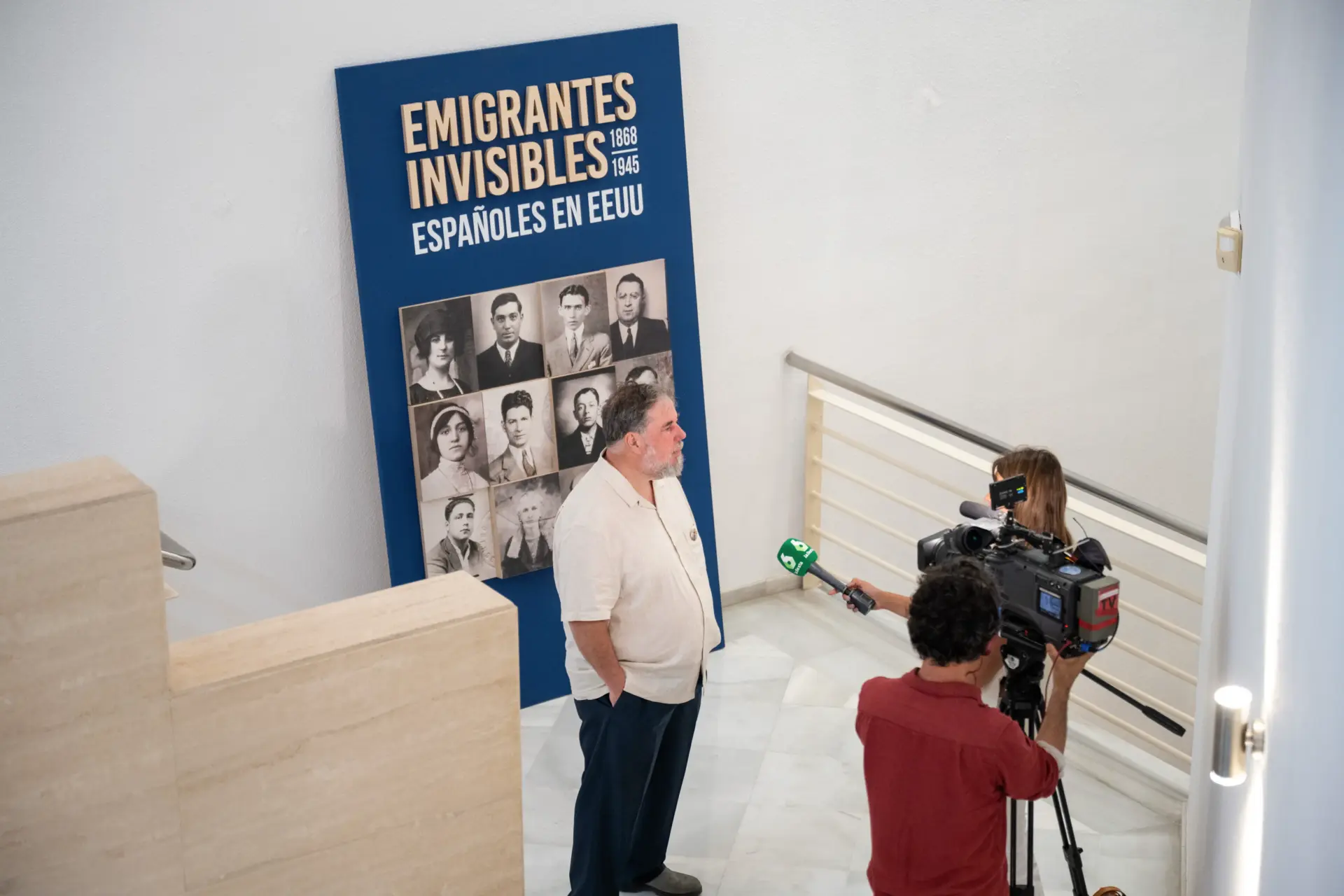
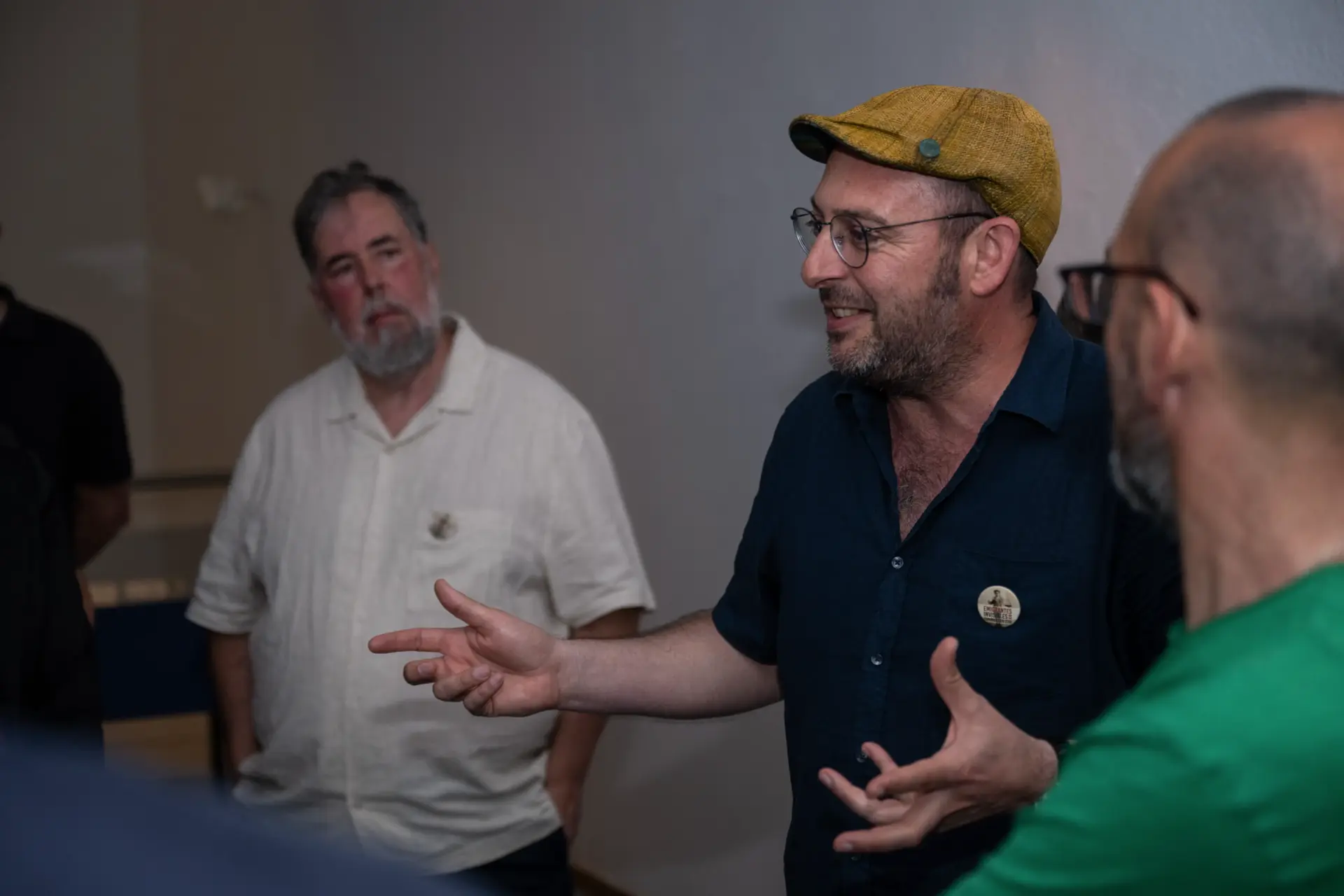
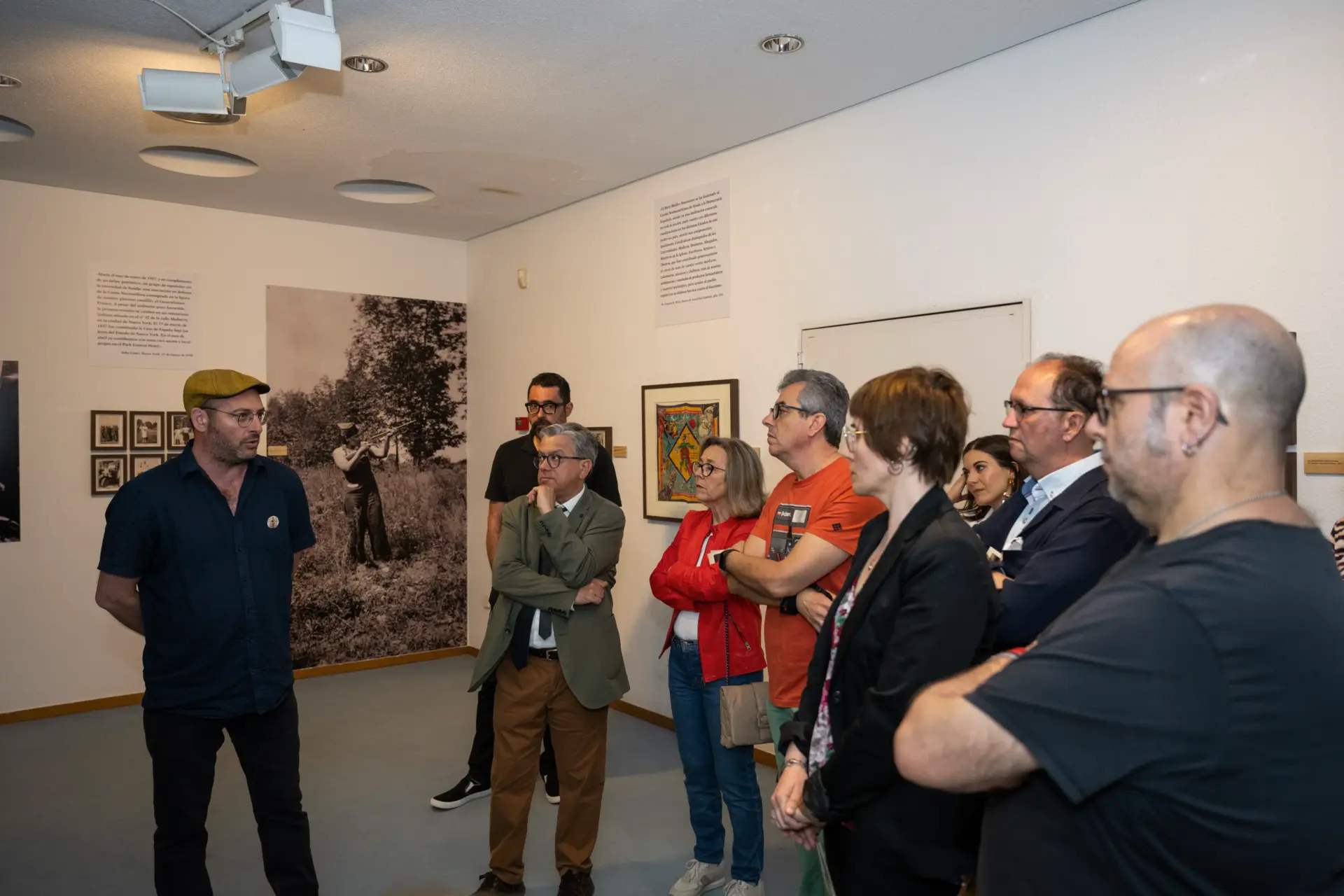
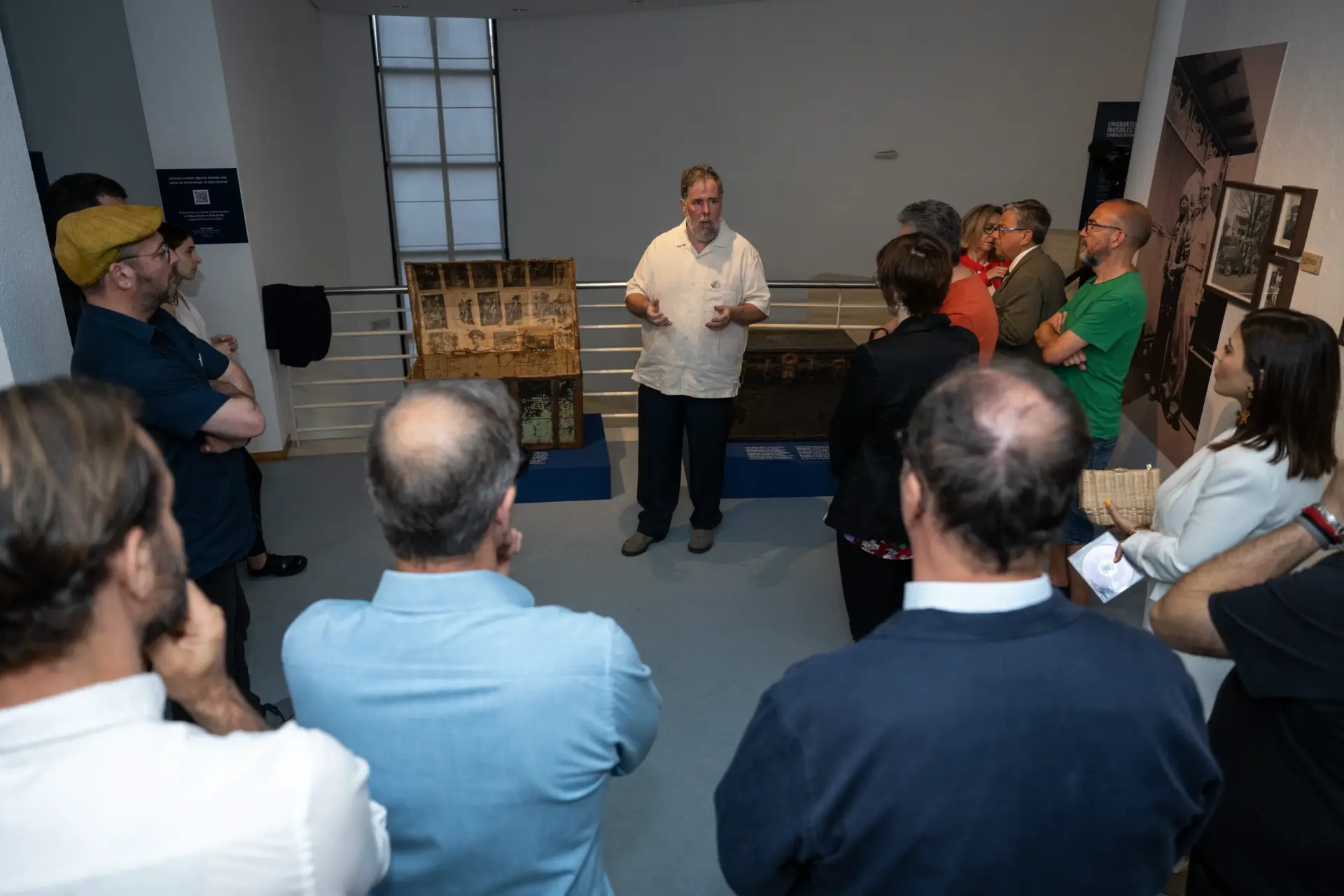
Curators
“Little remains of those intrepid immigrants. The materials needed to
understand this exodus are scattered throughout the personal memories and family archives of their descendants. They have opened their homes to us to show us old albums and cookie tins where they treasure photographs and documents belonging to their parents, grandparents, and great-grandparents, whose only homeland was, in
many cases, work; and their epic journey was that of immigrants of all times and places: the daily search for well-being, decency, and dignity.”
James D. Fernández and Luis Argeo.
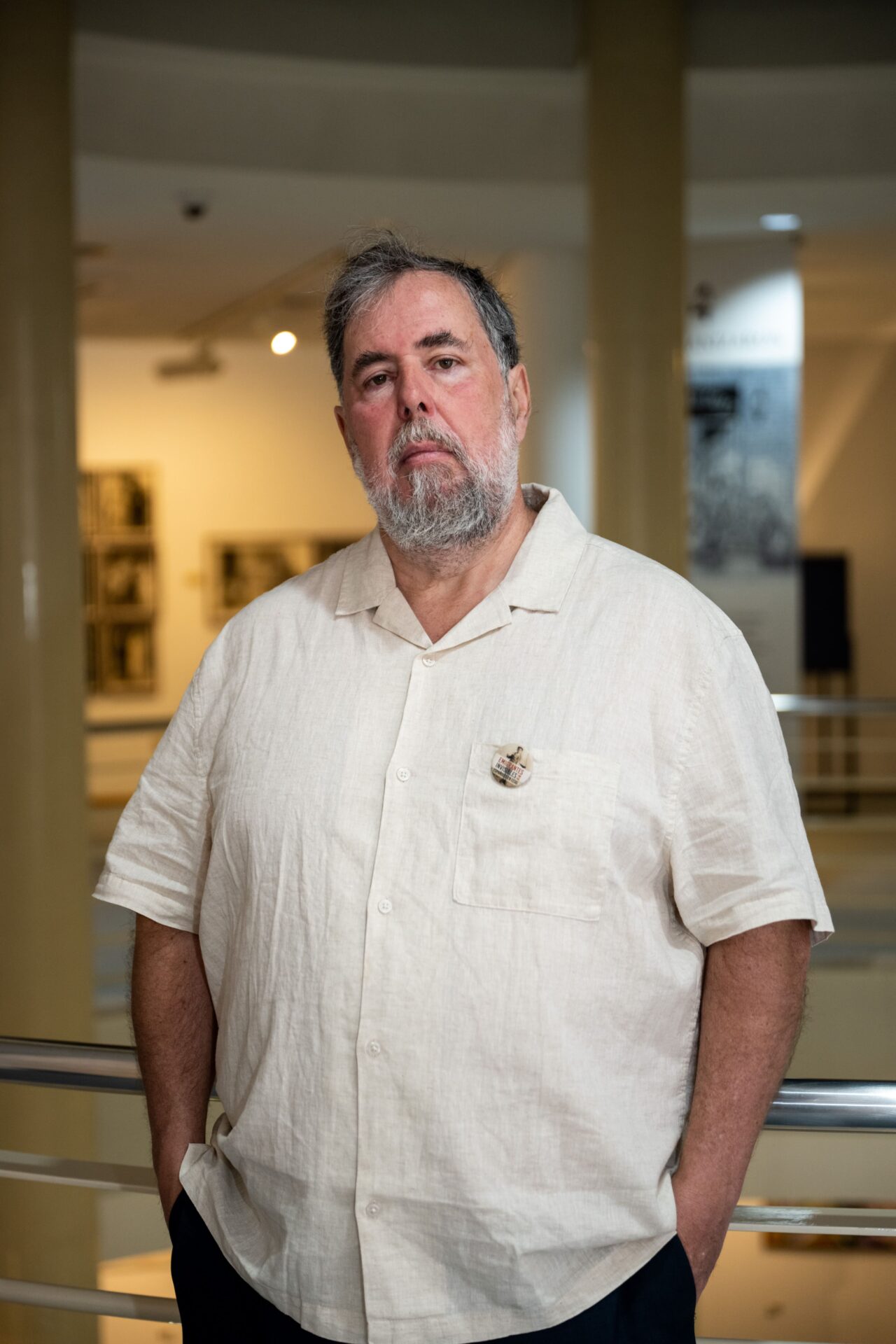
LUIS ARGEO
Luis Argeo (Asturias, 1975) is a journalist and documentary filmmaker specializing in culture and history. He has a degree in Journalism from the Pontifical University of Salamanca and is the author of 15 books and travel guides published by Anaya Touring, as well as his first novel, La Plaza. Confessions of a Music Bar.
He has produced, directed, and written scripts for films such as AsturianUS (2006) and Corsino, by Cole Kivlin (2010), which have been screened at various international film festivals. More recently, he directed Empatía, a unique ephemeral, performative, and experimental project, which premiered during the 59th edition of the Gijón International Film Festival. The project was co-written with James D. Fernández and produced by White Stone Ridge and the Fundación Consejo España – EE. UU.
Since 2012, Argeo has curated the project Invisible Immigrants. Spaniards in the US alongside James D. Fernández. He is currently co-owner and content director of the cult magazine NUEBO.
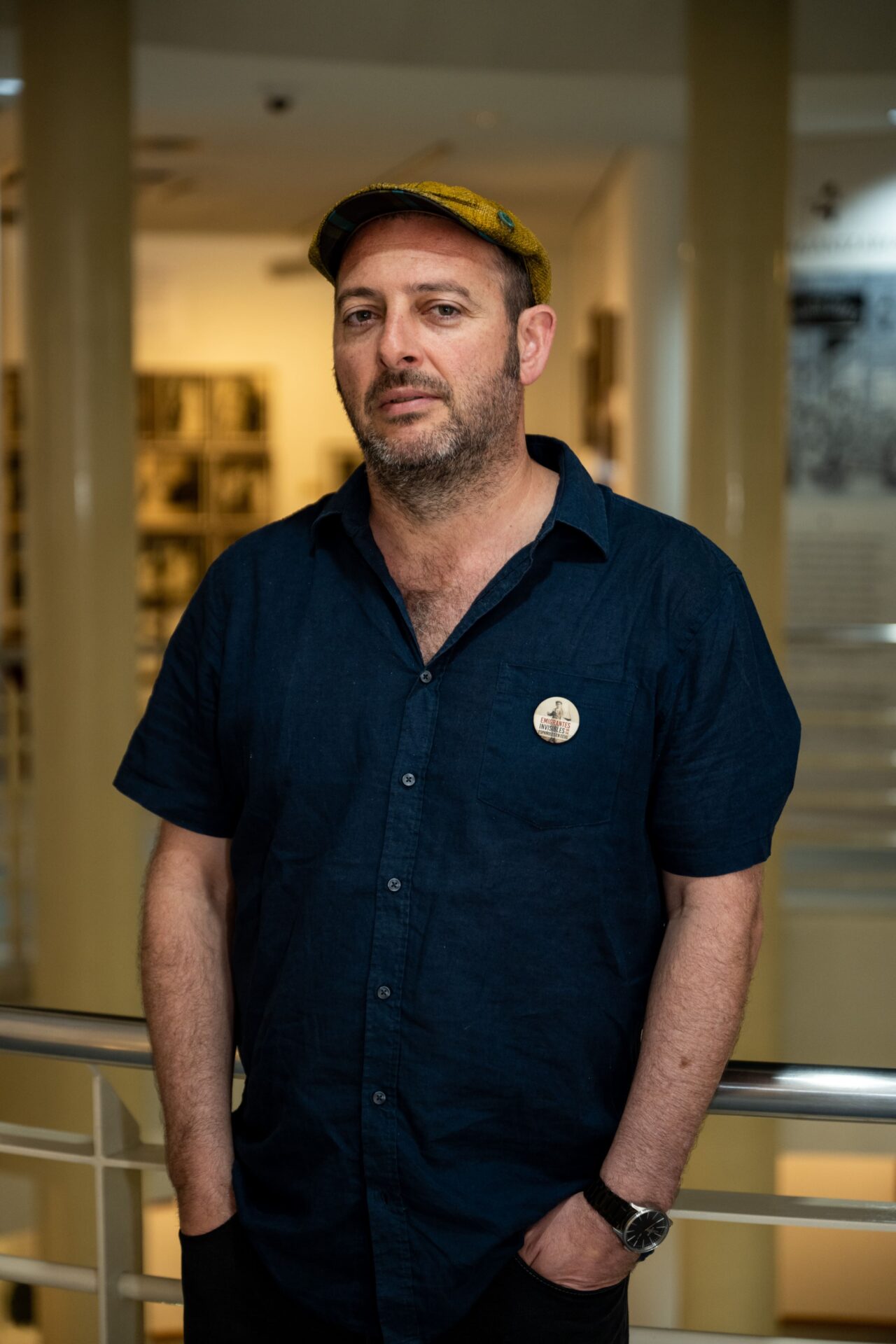
JAMES FERNÁNDEZ
James D. Fernández (Brooklyn, NY, 1961) is a professor of Spanish Literature and Culture at New York University (NYU) and former director of NYU Madrid.
The grandson of Asturian peasants who emigrated to New York in the early 20th century, Fernández earned his PhD in Romance Languages from Princeton University in 1988. He was the first director of the King Juan Carlos I Center for Spanish Studies at NYU from its founding in 1995 until 2007. Throughout his career, his research and publications have focused on the historical, literary, and cultural relations between Spain and the Americas.
Since 2012, he has co-directed the project Invisible Immigrants: Spaniards in the United States with Luis Argeo.
The Curators
responsables de la exposición
Support
Invisible Immigrants has been made possible thanks to the support of the Fundación Consejo España – EE. UU. and the generous contributions of the descendants and relatives of the immigrants.
During its tour of Spain, the exhibition has received the ongoing support of New York University and its foundation in Spain, the King Juan Carlos I Foundation, Técnicas Reunidas, the Secretary of State for Foreign Affairs of the Ministry of Foreign Affairs, European Union and Cooperation, the US Embassy in Spain, the Franklin Institute – UAH, Navantia, and Cosentino.

Support
SPANISH-AMERICAN
The Fundación Consejo España – EE. UU., created in 1997, works to strengthen ties between Spain and the US, promoting mutual understanding and cooperation in various fields. With the support of a Board of Trustees made up of leading companies, institutions, and representatives of the public administration, it has established itself as a benchmark in public diplomacy, in collaboration with the United States Spain Council, its American counterpart.

SPANISH-AMERICAN
SPAIN LOCATIONS
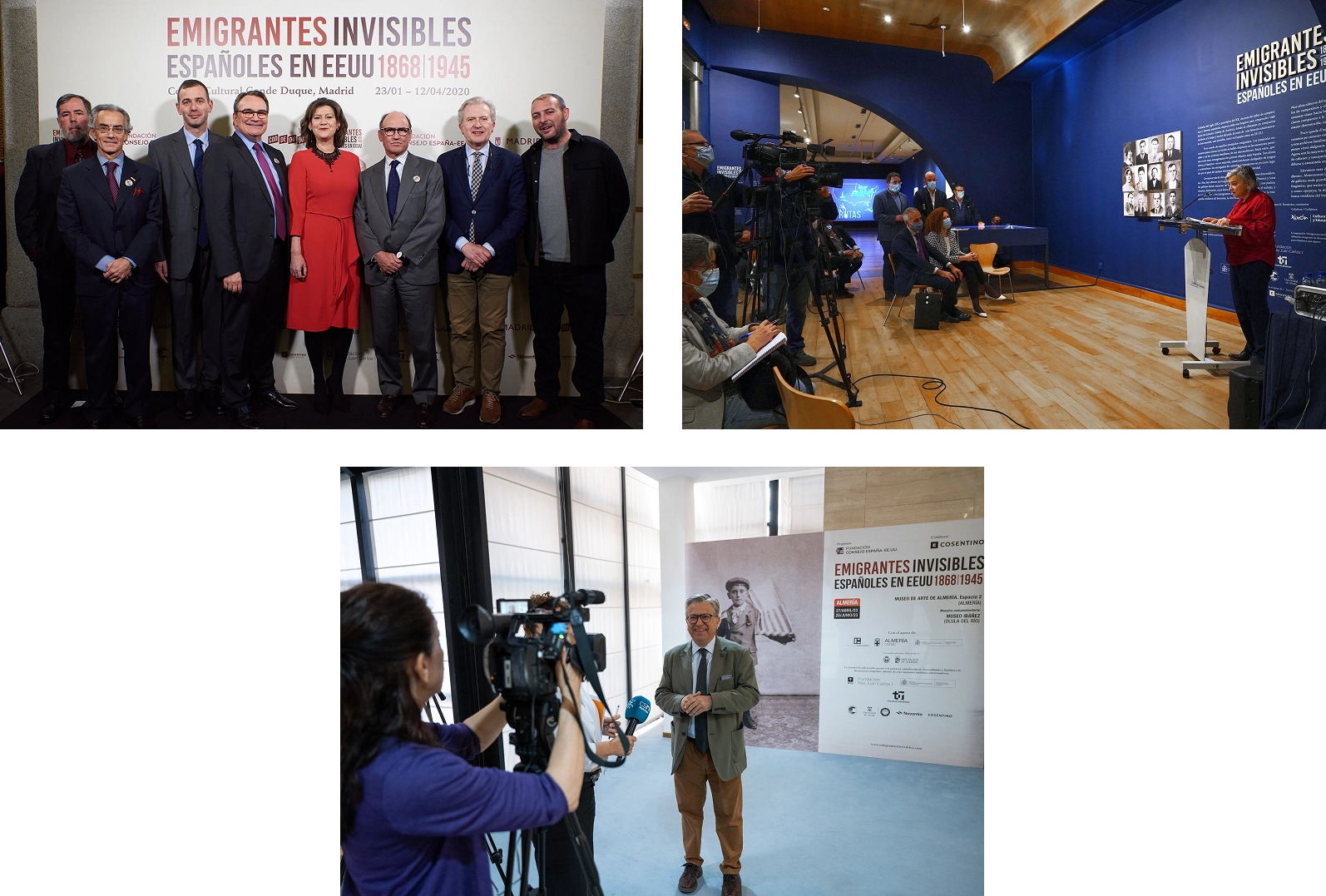
During its tour of Spain, the exhibition has enjoyed the collaboration of Madrid City Council, the Municipal Foundation for Culture, Education and Popular University of Gijón/Xixón City Council, the Cosentino Group, the Ibáñez-Cosentino Art Foundation and Almería City Council, with additional support from Olula del Río City Council and Almería Provincial Council.
SPAIN LOCATIONS
U.S. VENUE
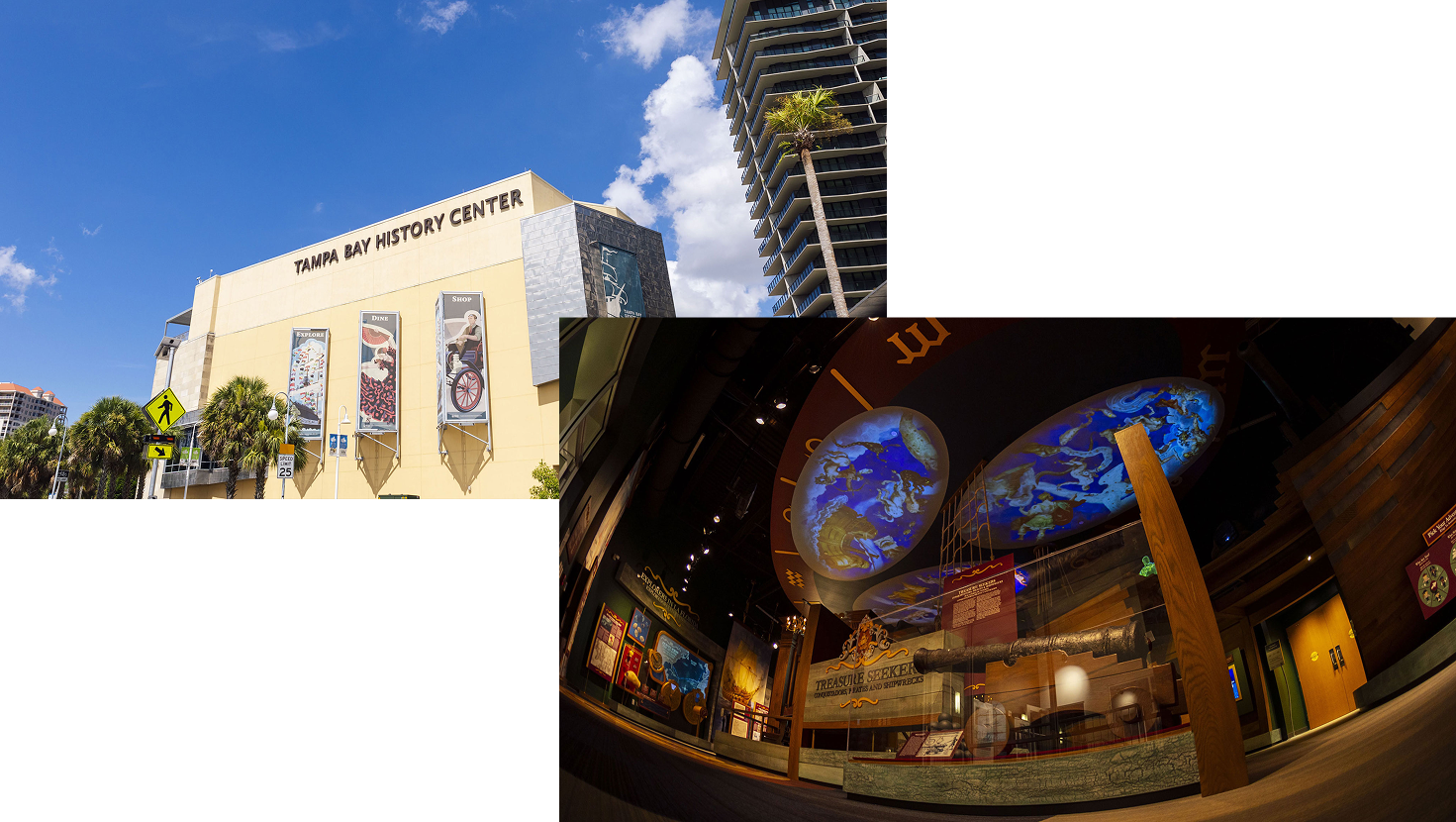
The start of its tour in the city of Tampa, Florida, is the result of collaboration between the Fundación Consejo España – EE. UU. and the Tampa Bay History Center, supported by the Secretary of State for Foreign Affairs of the Ministry of Foreign Affairs, European Union and Cooperation and Spanish Cultural Action.
U.S. VENUE
Exhibition design
Based on the curators’ research, photographer and editor Paco Gómez has developed a comprehensive exhibition design proposal that recreates the journey of an anonymous emigrant through six chronological chapters.
The exhibition combines original photographs, documents, and objects preserved by families with framed facsimiles, giant posters, and audiovisual material, achieving a visual and emotional impact. These elements, together with texts and testimonies, weave an evocative narrative of the collective epic of Spanish immigrants in the United States.
Audiovisual artist Cynthia González, cartoonist Alfonso Zapico, and graphic designer Manuel González also participated in the design.

Exhibition design
Paco Gómez
Paco Gómez is a civil engineer, but he never practiced his profession. He was Castro Prieto’s assistant and won the PHotoEspaña 2001 award for best new photographer. Since 1996, he has been working in the world of image and currently combines his work as a photographer with that of writer, curator, exhibition designer, and coordinator of crowdfunding campaigns and publishing projects. A founding member of the NOPHOTO collective, he runs the publishing house Fracaso Books, where he has published seven books that explore the relationship between photography and literature: Los Modlin (2012), Proyecto K. (2015), Volverás a la Antártida (2017), Wattebled o el rastro de las cosas (2020), Carta al hermano (2021), Documento Nacional (2022), and Agencia de detectives zurdos (2023). He has been the artistic director of the Región photographic mission organized by the Community of Madrid. He is currently the graphic editor of Líbero magazine. In 2019, he founded the Ministerio de la Imagen Perdida (Ministry of Lost Images), a fictional institution dedicated to the rescue of photographic material and the reinterpretation of archives.

Paco Gómez
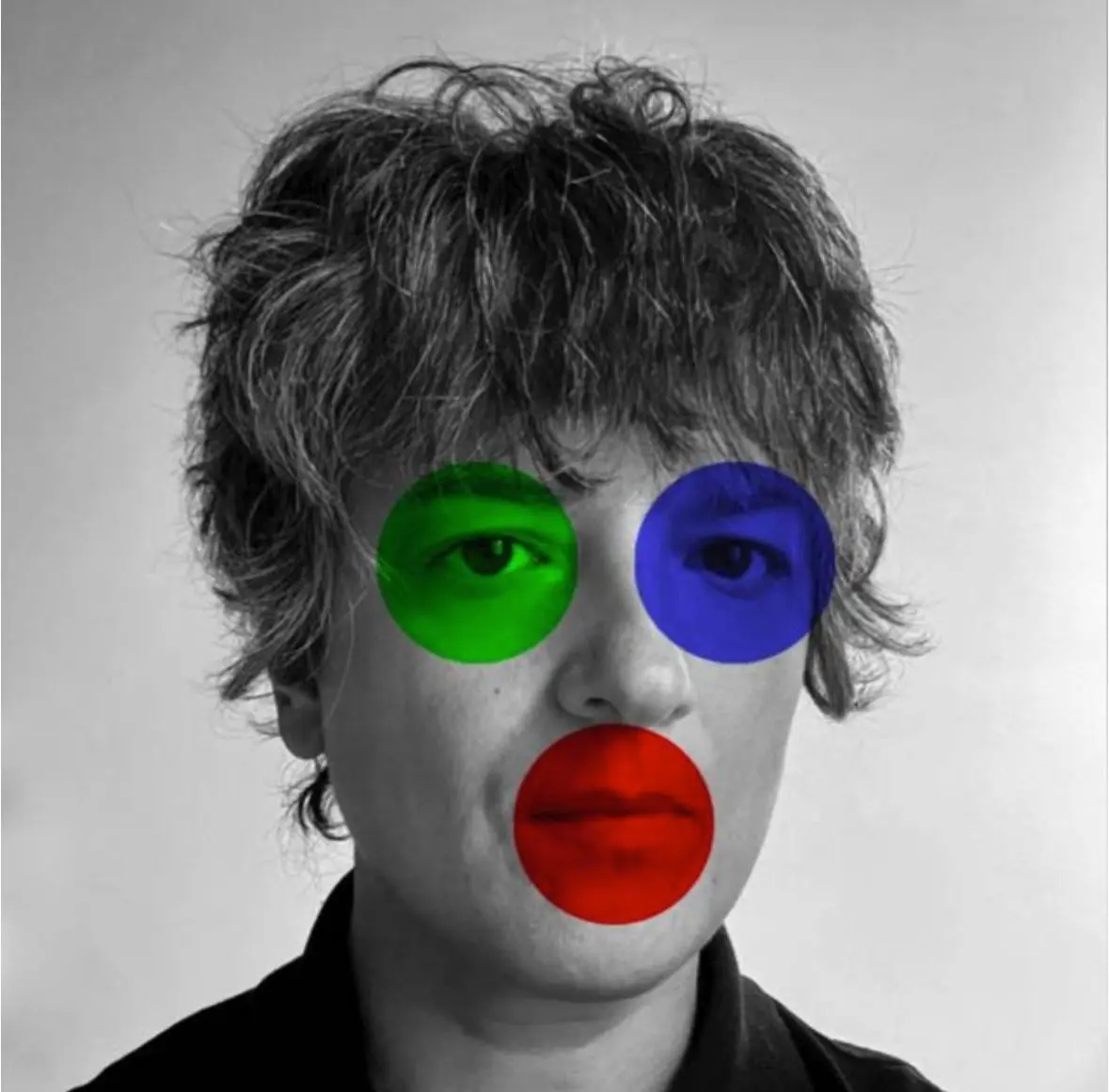
Cynthia González
With a degree in Audiovisual Communication from the UCM, this professional is a leading designer of audiovisual and lighting installations, specializing in video mapping and lighting programming. Her work focuses on the creative development of content for exhibition spaces, merging the material and the digital in hybrid installations that interweave historical documents with contemporary languages and codes of communication.
In addition to her professional practice, she teaches workshops at institutions such as the UCM, Fundación Telefónica, and ETSAM, and collaborates with renowned museums such as the
Thyssen and the Prado. Her work has been awarded at international festivals, and she has collaborated with artists such as Olafur Eliasson and Jaume Plensa. In 2010, he co-founded WotStudio and, in 2021, he participated in the creation of CURIOSA, a project focused on innovation in digital content
Cynthia González
3 OFFICES IN SPAIN
+30000 VISITORS
+30 COLLABORATING ENTITIES
+40COMPLEMENTARY ACTIVITIES
2 OFF SAMPLES
+200 MEDIA APPEARANCES
+1400FACEBOOK FOLLOWERS
3 OFFICES IN SPAIN
+30000 VISITORS
+30 COLLABORATING ENTITIES
+40COMPLEMENTARY ACTIVITIES
2 OFF SAMPLES
+200 MEDIA APPEARANCES
+1400FACEBOOK FOLLOWERS
3 OFFICES IN SPAIN
+30000 VISITORS
+30 COLLABORATING ENTITIES
+40COMPLEMENTARY ACTIVITIES
2 OFF SAMPLES
+200 MEDIA APPEARANCES
+1400FACEBOOK FOLLOWERS
3 OFFICES IN SPAIN
+30000 VISITORS
+30 COLLABORATING ENTITIES
+40COMPLEMENTARY ACTIVITIES
2 OFF SAMPLES
+200 MEDIA APPEARANCES
+1400FACEBOOK FOLLOWERS
3 OFFICES IN SPAIN
+30000 VISITORS
+30 COLLABORATING ENTITIES
+40COMPLEMENTARY ACTIVITIES
2 OFF SAMPLES
+200 MEDIA APPEARANCES
+1400FACEBOOK FOLLOWERS