Active institutions

Visit our map for more information

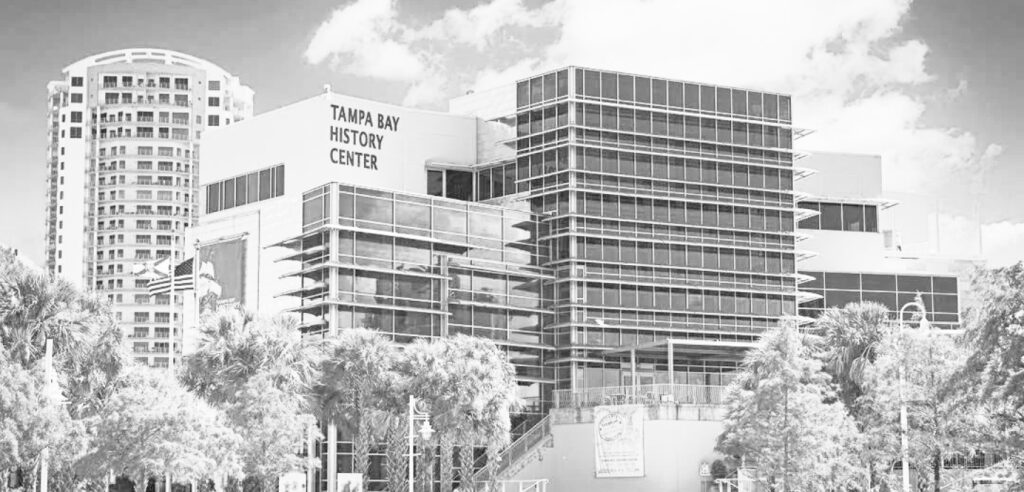
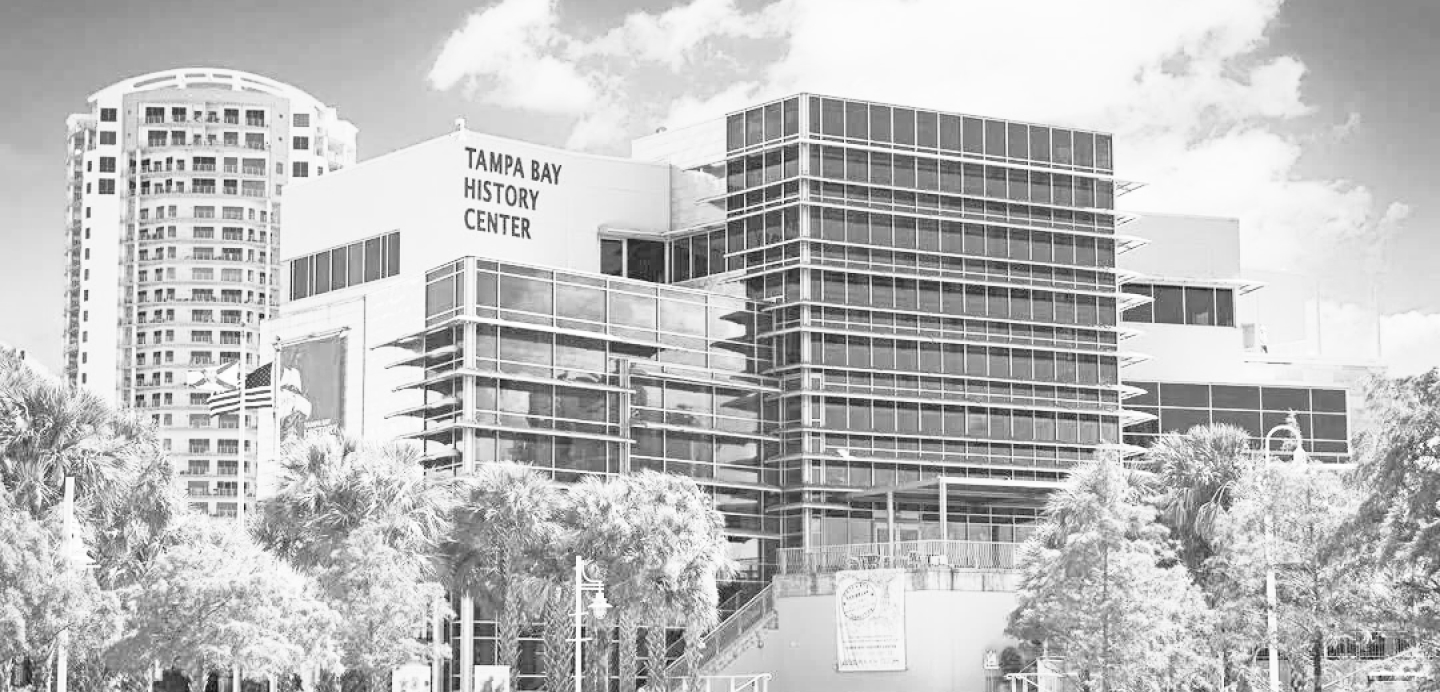
Tampa Bay History Center

The Tampa Bay History Center - a Smithsonian Affiliate Museum - features three floors of exhibits exploring 12,000 years of Florida history. Hit the high seas with conquistadors and pirates, stroll the brick streets of Ybor City with Cuban, [Spanish, and Sicilian] cigar rollers, or saddle up for a cattle drive with Florida pioneers. The History Center is located along Tampa's Riverwalk and features waterfront dining at the Columbia Cafe and a museum store showcasing local crafts and artwork. One of Tampa's premier cultural attractions, the History Center's cutting-edge, interactive exhibits provide a fun and educational experience for visitors of all ages. (from their website)

Tampa Bay History Center

The Tampa Bay History Center - a Smithsonian Affiliate Museum - features three floors of exhibits exploring 12,000 years of Florida history. Hit the high seas with conquistadors and pirates, stroll the brick streets of Ybor City with Cuban, [Spanish, and Sicilian] cigar rollers, or saddle up for a cattle drive with Florida pioneers. The History Center is located along Tampa's Riverwalk and features waterfront dining at the Columbia Cafe and a museum store showcasing local crafts and artwork. One of Tampa's premier cultural attractions, the History Center's cutting-edge, interactive exhibits provide a fun and educational experience for visitors of all ages. (from their website)

Ybor City Museum State Park

This urban park is dedicated to the preservation of Ybor City's unique cultural heritage. The museum, housed in the historic Ferlita Bakery, traces the rich cultural history of Ybor City and the cigar-making industry. The museum has self-guided exhibits with written and audio information plus a video presentation.

Ybor City Museum State Park

This urban park is dedicated to the preservation of Ybor City's unique cultural heritage. The museum, housed in the historic Ferlita Bakery, traces the rich cultural history of Ybor City and the cigar-making industry. The museum has self-guided exhibits with written and audio information plus a video presentation.

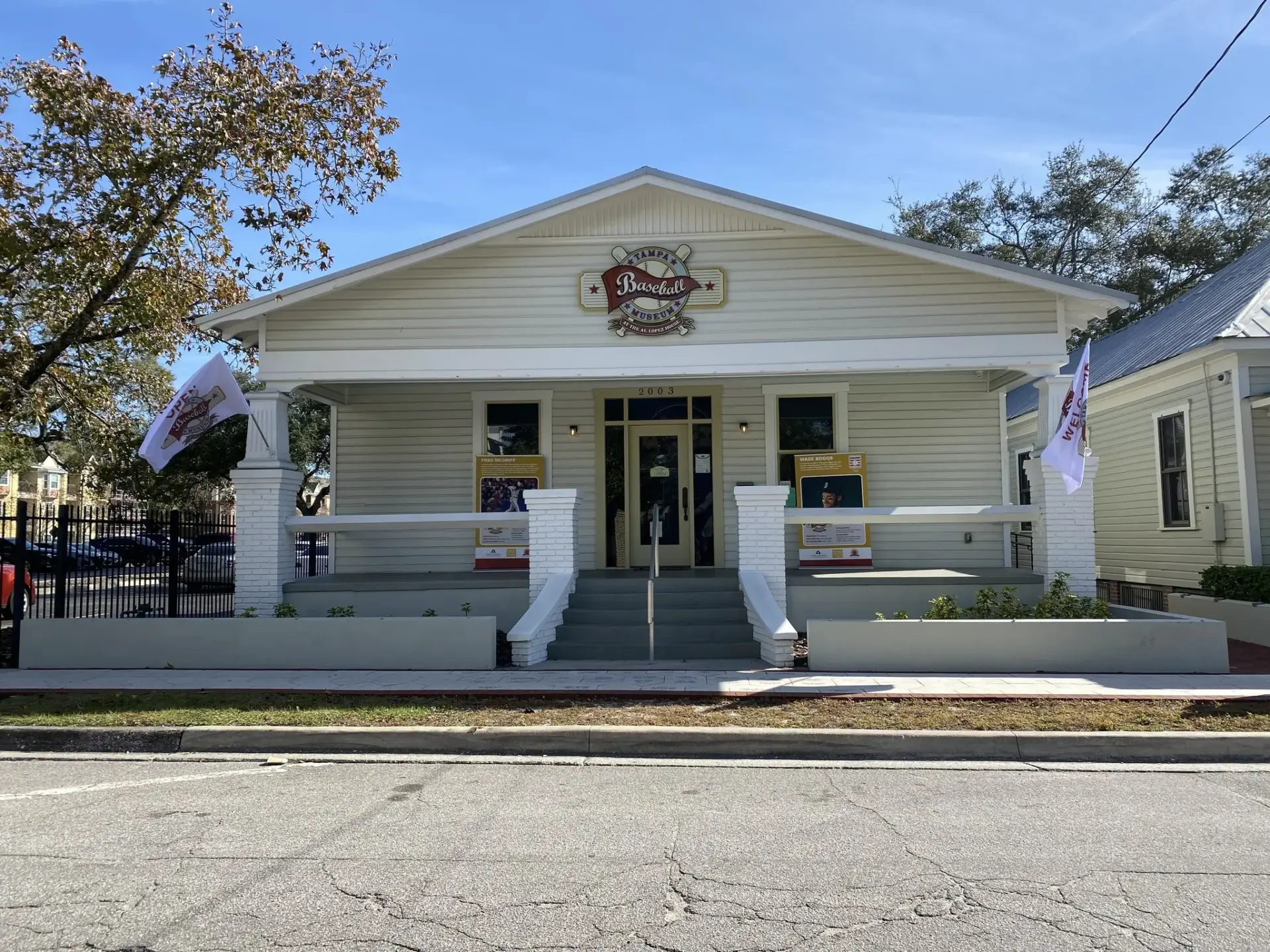
Tampa Baseball Museum

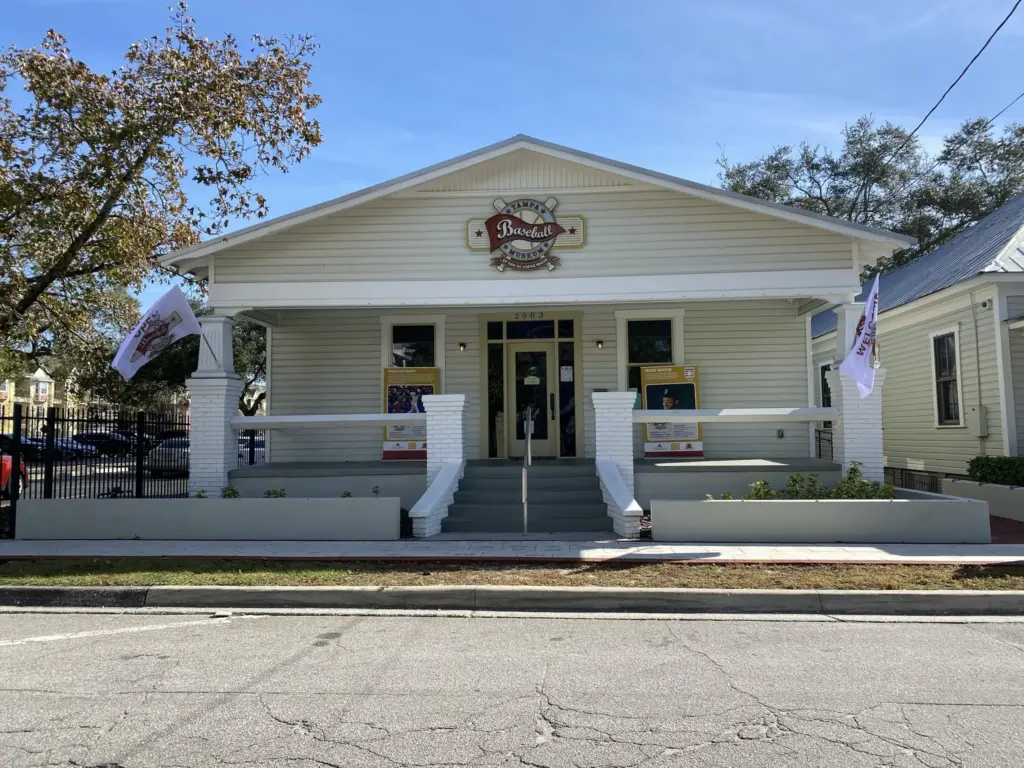
Because of the intense Tampa-Cuba connection, and because of the importance of baseball in Cuba, Spanish boys in Tampa were more likely to play baseball than soccer. (In most other Spanish immigrant enclaves in the US, fútbol was more popular). A remarkable number of major league baseball players emerged from Tampa’s Spanish neighborhoods, including legends like Al López, Lou Piniella, Tino Martínez and Tony La Russa (Cuervo). Explore the history of béisbol in this delightful museum, which is actually housed in the modest family home of hall-of-famer Al López.

Tampa Baseball Museum

Because of the intense Tampa-Cuba connection, and because of the importance of baseball in Cuba, Spanish boys in Tampa were more likely to play baseball than soccer. (In most other Spanish immigrant enclaves in the US, fútbol was more popular). A remarkable number of major league baseball players emerged from Tampa’s Spanish neighborhoods, including legends like Al López, Lou Piniella, Tino Martínez and Tony La Russa (Cuervo). Explore the history of béisbol in this delightful museum, which is actually housed in the modest family home of hall-of-famer Al López.

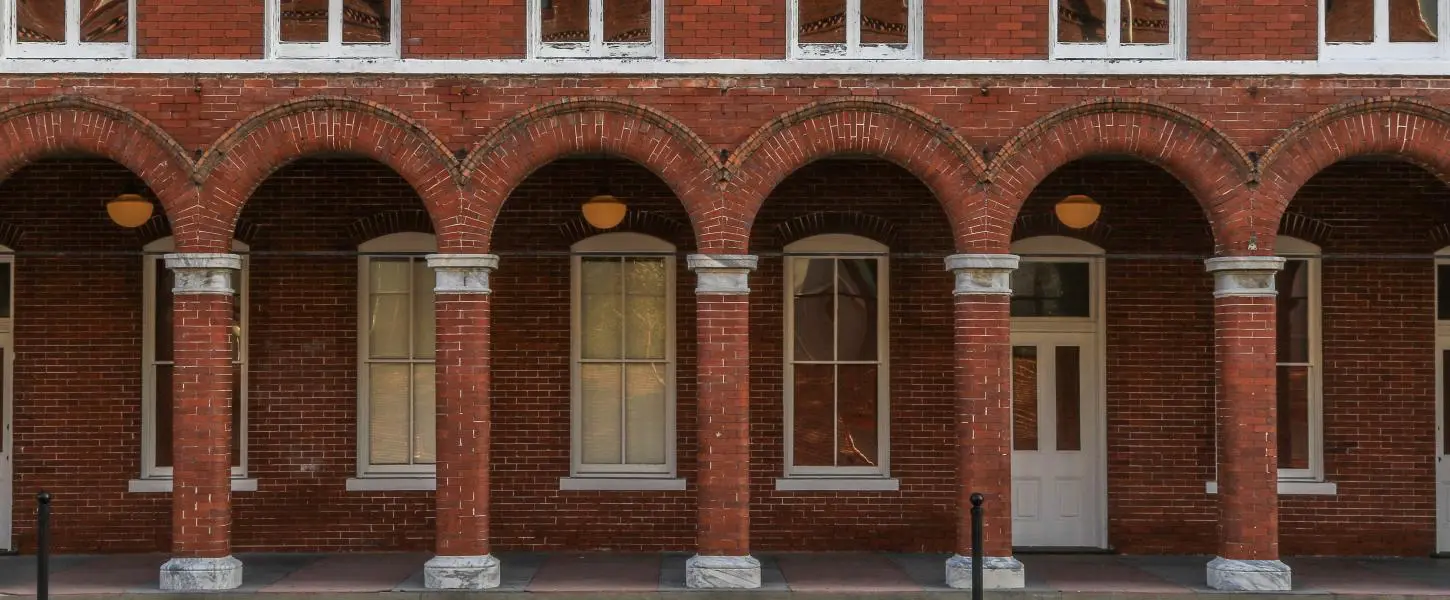
Centro Asturiano de Tampa

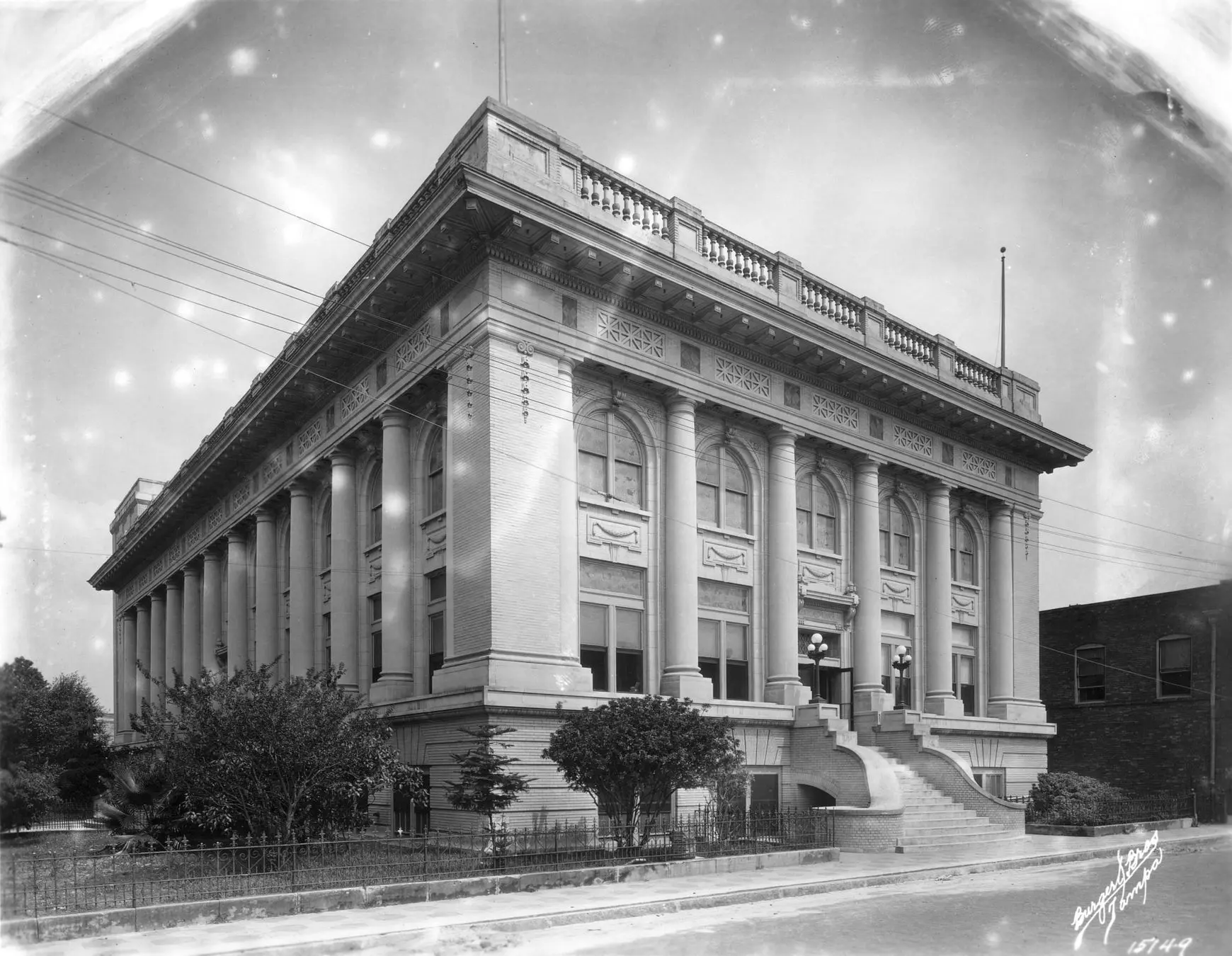
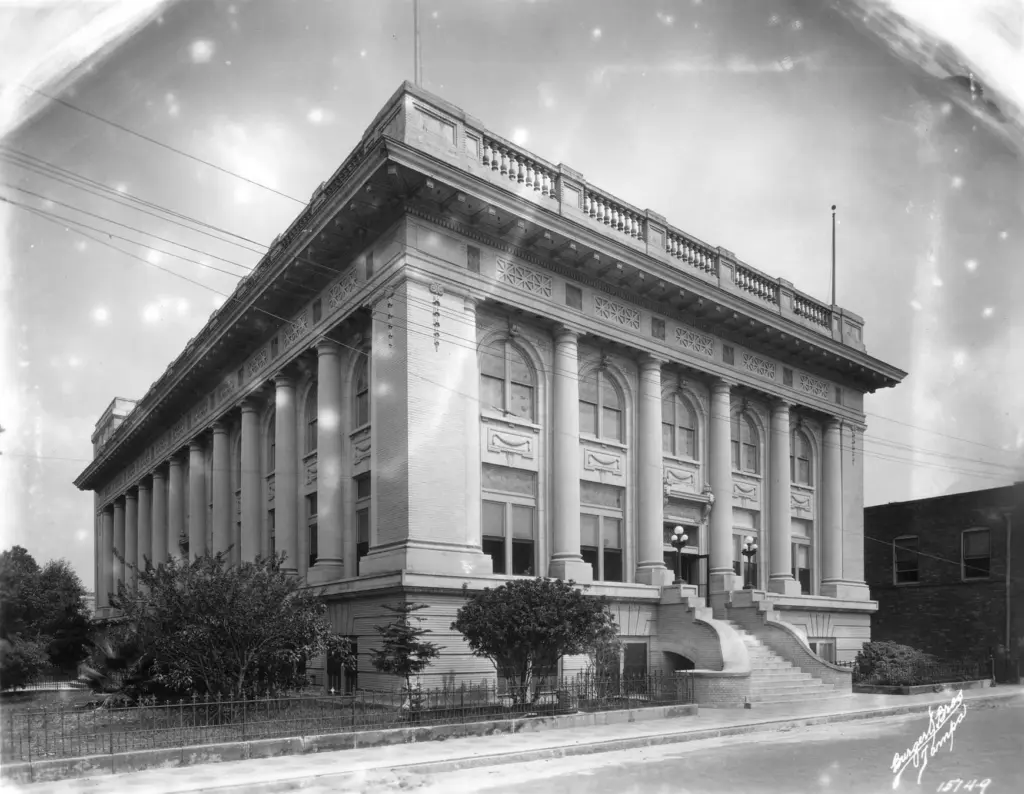
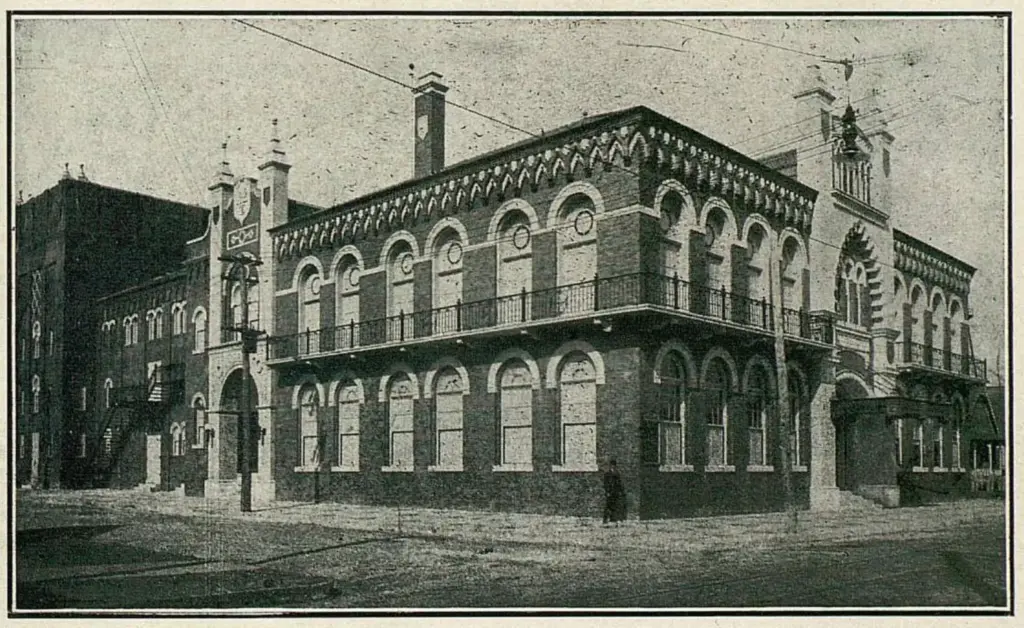
It was about 1902 when a few members of the Centro Asturiano of Havana took up the matter of extending the services of such a meritorious institution to Tampa by establishing a delegation in this city… The Centro Asturiano built the Covadonga Sanatorium in 1905 to tend to infirm members, and, in 1908, a clubhouse at the corner of Nebraska and Palm. The original clubhouse building was destroyed by fire in 1912, and was replaced, a year later, by a magnificent new headquarters at the same location, which is still standing.

Centro Asturiano de Tampa

It was about 1902 when a few members of the Centro Asturiano of Havana took up the matter of extending the services of such a meritorious institution to Tampa by establishing a delegation in this city… The Centro Asturiano built the Covadonga Sanatorium in 1905 to tend to infirm members, and, in 1908, a clubhouse at the corner of Nebraska and Palm. The original clubhouse building was destroyed by fire in 1912, and was replaced, a year later, by a magnificent new headquarters at the same location, which is still standing.

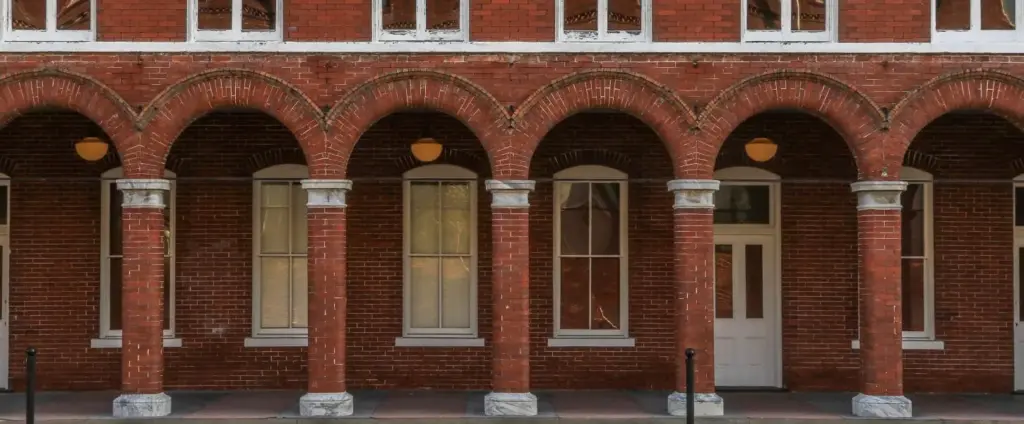
Centro Español de Tampa (West Tampa)

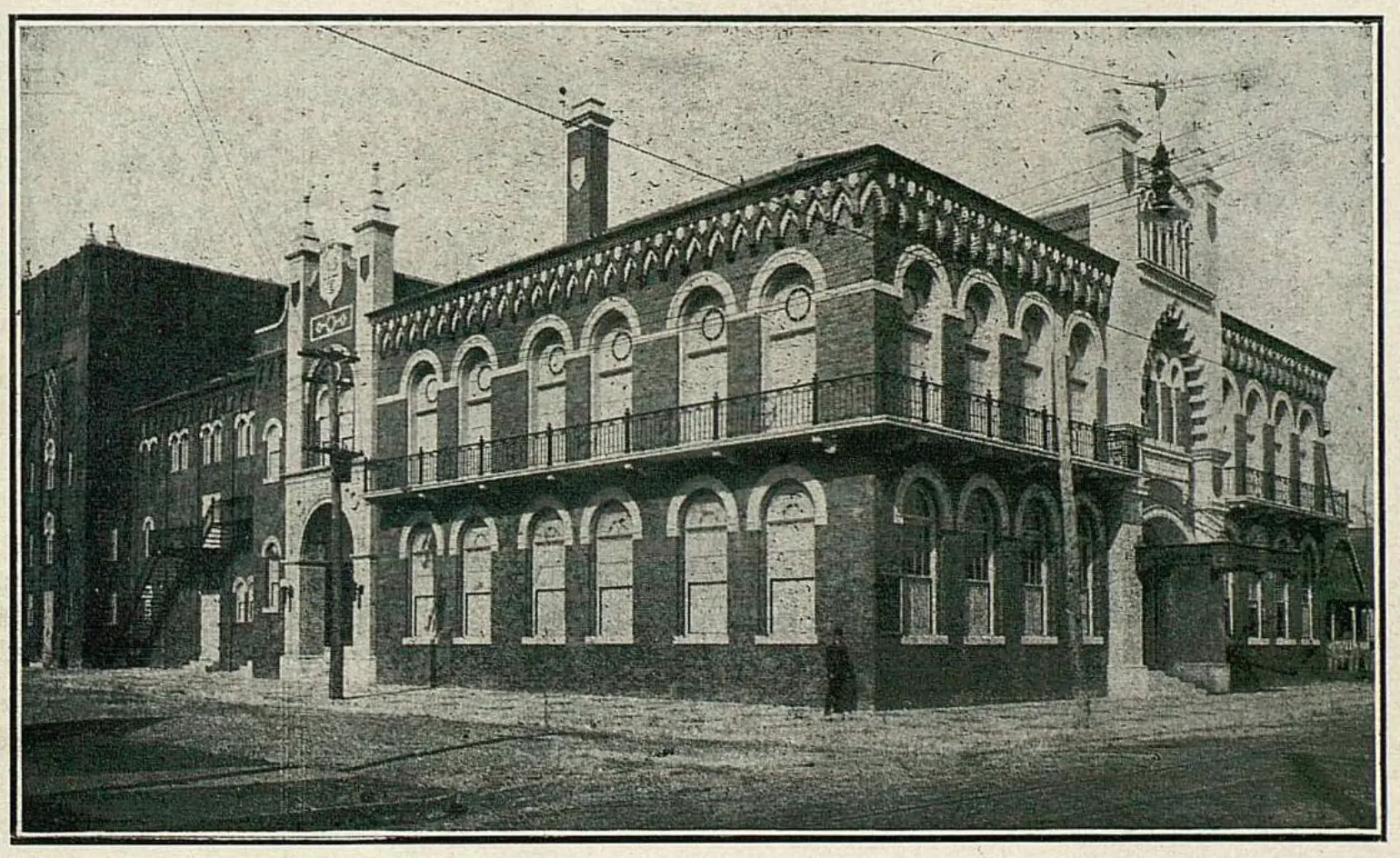
"On the 7th of September 1891 the Centro Español was finally established as a Society for recreation and instruction, being its main objective , [...], ‘to provide the means for education and beneficial recreation of its members…’ (Spanish Action in Tampa). In 1912, the Centro inaugurated a majestic clubhouse in West Tampa, to complement the one they had in the heart of Tampa’s other Spanish enclave, Ybor City. "

Centro Español de Tampa (West Tampa)

"On the 7th of September 1891 the Centro Español was finally established as a Society for recreation and instruction, being its main objective , [...], ‘to provide the means for education and beneficial recreation of its members…’ (Spanish Action in Tampa). In 1912, the Centro inaugurated a majestic clubhouse in West Tampa, to complement the one they had in the heart of Tampa’s other Spanish enclave, Ybor City. "

J.C. Newman Cigar Company

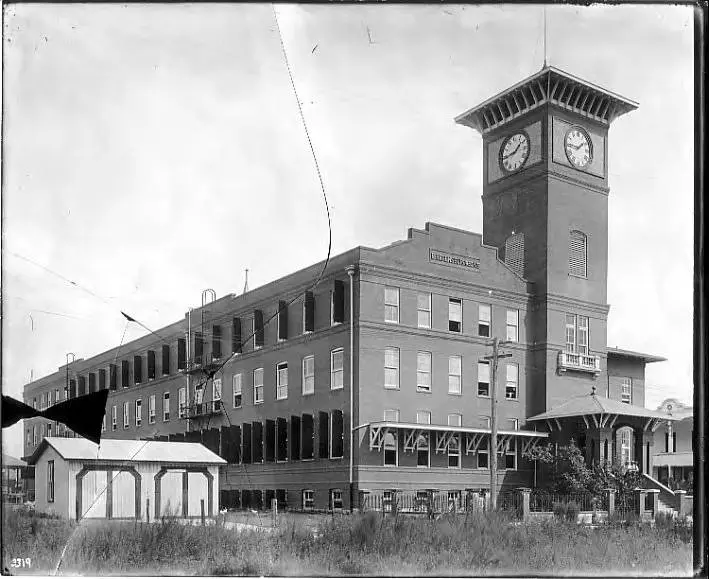
“Founded in 1895 by Julius Caesar Newman, J.C. Newman Cigar Company is the oldest family-owned premium cigar maker in America. For four generations, J.C. Newman has been handcrafting many of the world’s finest cigars. J.C. Newman is headquartered in an iconic cigar factory [built in 1910 by Regensberg Cigar Company] in the Ybor City National Historic Landmark District in Tampa, Florida. At this factory, known as “El Reloj,” J.C. Newman rolls premium cigars both by hand and by hand-operated, antique cigar machines.”

J.C. Newman Cigar Company

“Founded in 1895 by Julius Caesar Newman, J.C. Newman Cigar Company is the oldest family-owned premium cigar maker in America. For four generations, J.C. Newman has been handcrafting many of the world’s finest cigars. J.C. Newman is headquartered in an iconic cigar factory [built in 1910 by Regensberg Cigar Company] in the Ybor City National Historic Landmark District in Tampa, Florida. At this factory, known as “El Reloj,” J.C. Newman rolls premium cigars both by hand and by hand-operated, antique cigar machines.”

USF Libraries Special Collections

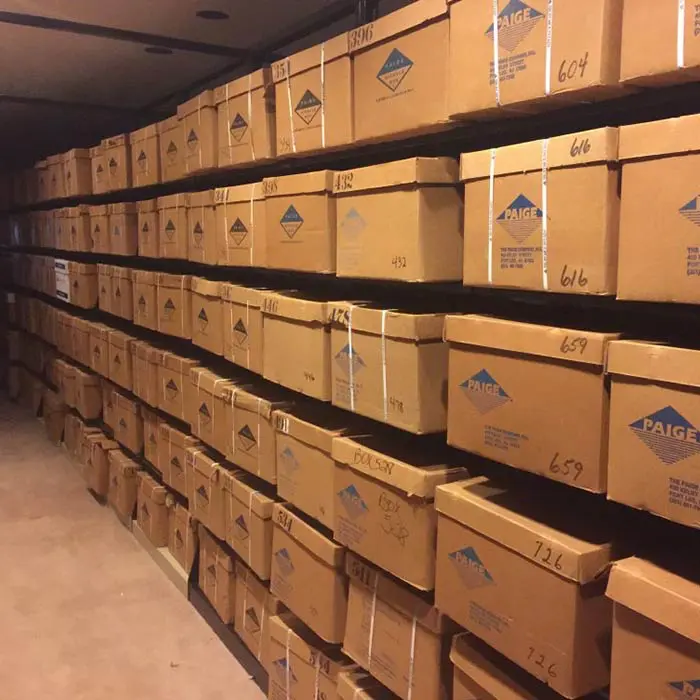
The Special Collections of the University of South Florida hold many treasures, including a large number of archives related to the history of Florida, and within those archives, a vast amount of material dealing with the history of Spaniards in Ybor City and West Tampa, in the cigar industry, and in the city’s remarkable mutual aid societies. Of particular interest for this exhibition, USF Special Collections is the repository for the records and membership rolls of the Centro Asturiano, the Centro Español, as well as other immigrant organizations.

USF Libraries Special Collections

The Special Collections of the University of South Florida hold many treasures, including a large number of archives related to the history of Florida, and within those archives, a vast amount of material dealing with the history of Spaniards in Ybor City and West Tampa, in the cigar industry, and in the city’s remarkable mutual aid societies. Of particular interest for this exhibition, USF Special Collections is the repository for the records and membership rolls of the Centro Asturiano, the Centro Español, as well as other immigrant organizations.

Privacy Overview

This website uses cookies so that we can provide you with the best user experience possible. Cookie information is stored in your browser and performs functions such as recognising you when you return to our website and helping our team to understand which sections of the website you find most interesting and useful.

This site is registered on wpml.org as a development site. Switch to a production site key to remove this banner.